Is Your School Designed for Tricks…or Treats?Don’t let outdated design come back to haunt you.
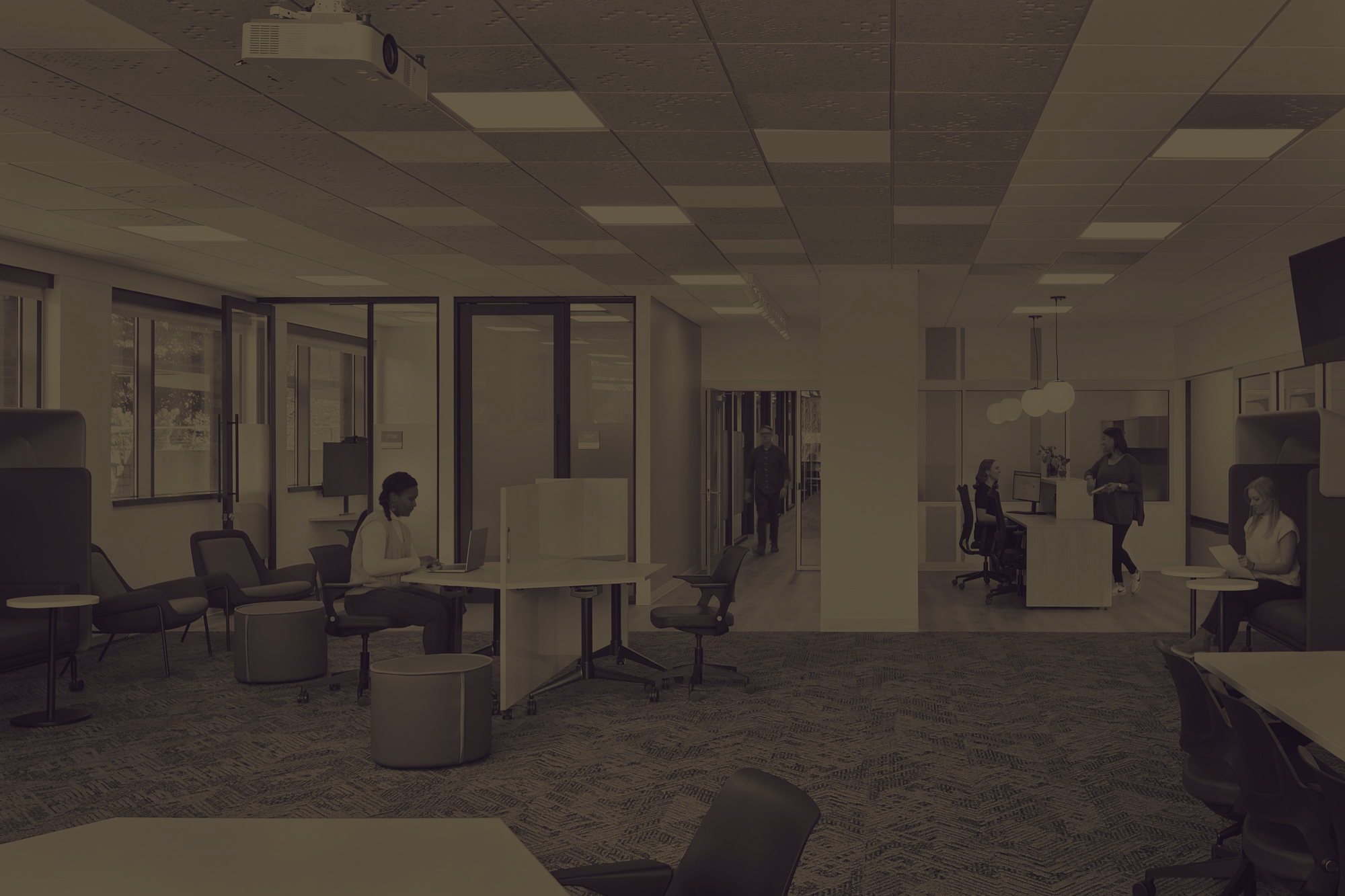
Cobwebs in the corners? Festive. A classroom frozen in time? Now that's scary.
Today’s schools need to support everything from focused individual work and group collaboration to hands-on learning and evolving technology. When the spaces themselves get in the way, even great teaching can be harder than it needs to be. Fortunately, even the scariest design challenges can be solved.
So, where might outdated design be lurking? Here are five places to look.
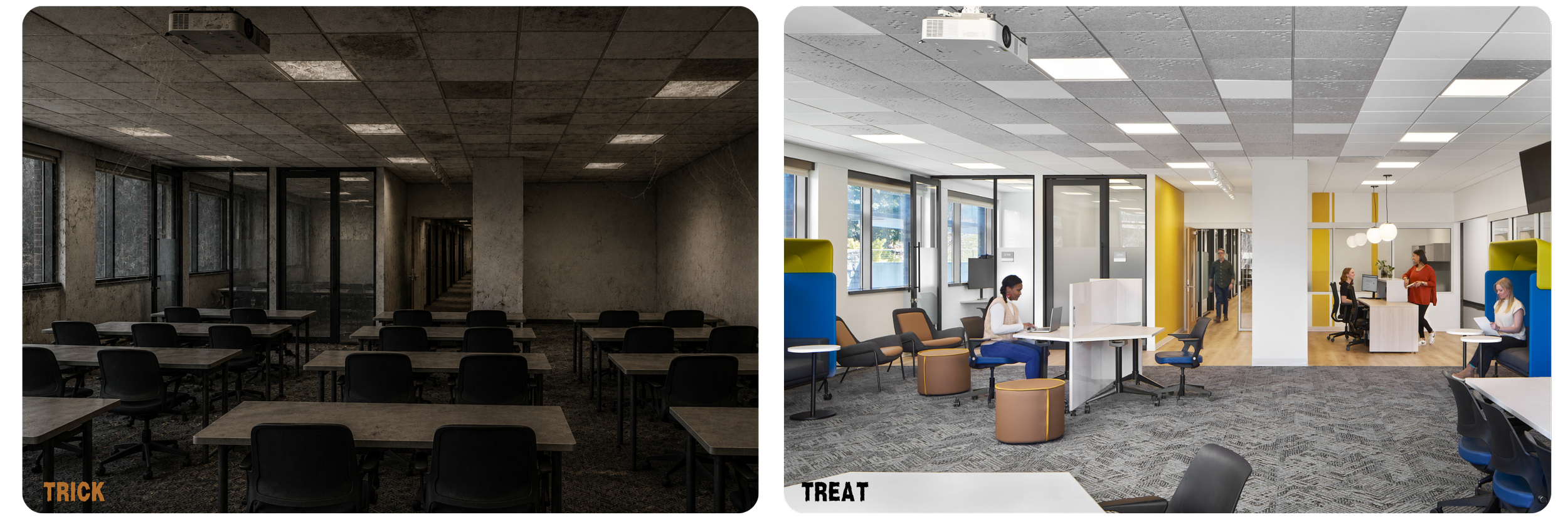
TRICK: The Classroom of the Past
TREAT: Flexibility with a Purpose
Rows of desks facing one teaching wall might work for direct instruction, but classrooms today need to support much more than that. Students may move from a class discussion to small-group work, independent learning or a hands-on project all within the same period.
Flexibility allows the environment to shift along with those activities. And it doesn’t mean everything has to be on wheels. Adaptable furnishings and layouts that can be reconfigured without disrupting the entire room can make it easier for educators to move between different modes of teaching and learning throughout the day.
TRICK: The One-Size-Fits-All Classroom
TREAT: More Choice, More Ways to Learn
Students don’t all learn, focus or engage in the same way, so asking everyone to learn in the same type of environment doesn’t always make sense. As student wellness, neurodiversity and inclusive design continue to influence educational spaces, schools are putting more thought into creating environments that offer meaningful choice.
That might mean quieter areas for focused work, spaces that allow for movement, different types of seating, or places where students can work independently without feeling disconnected from the rest of the class.
The goal isn’t to create a different classroom for every student. It’s to provide purposeful options that help more students feel comfortable, focused and ready to learn.
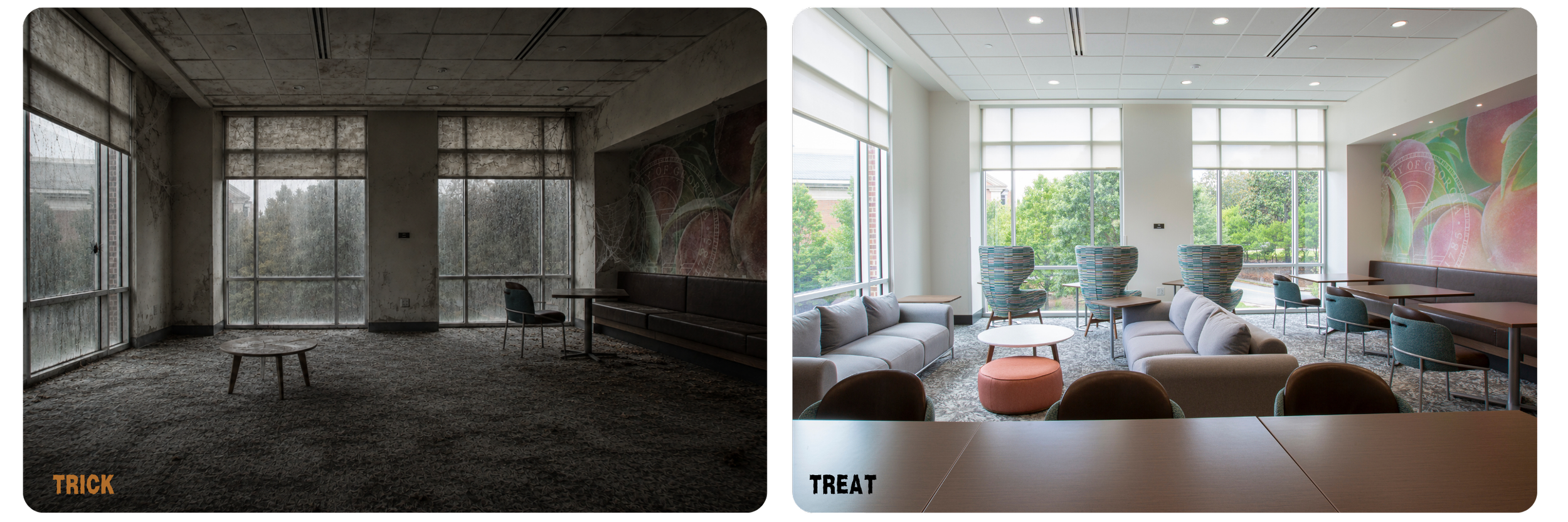
TRICK: The Echo Chamber
TREAT: Spaces Designed to Be Heard
Learning environments aren’t supposed to be silent. Students discuss, teachers instruct, groups collaborate, and hands-on projects can get a little noisy. That energy is part of an active school, but when all those sounds start competing with one another, it can make it harder to focus, communicate, and learn.
As schools embrace more open, collaborative, and multipurpose environments, acoustics become an important part of making those spaces work. Thoughtful layouts can separate louder activities from areas intended for quiet focus, while materials, furnishings and partitions can help manage sound throughout the space.
TRICK: Attack of the Screens
TREAT: Tech-Ready, Human-Centered Spaces
Technology has been part of the classroom for years, and AI is only accelerating the conversation around what comes next. But a future-ready learning space isn’t necessarily the one with the most screens.
As technology changes how students research, create, and solve problems, the physical classroom still has an important role to play. Students need places to gather around a table, work on a project, share ideas, have conversations, and engage in hands-on learning.
Planning for power, connectivity, and adaptable technology helps schools prepare for what’s next without designing around devices alone. Technology should support the learning experience, not become the learning experience. Even the smartest classroom still needs room for human connection.
TRICK: The Space-Eating Monster
TREAT: Spaces That Work Harder
With budgets tight, every square foot needs to work harder. Schools are taking a closer look at the square footage they already have and finding ways for them to work harder throughout the day.
A media center can become a hub for research, collaboration and creation, while commons and circulation areas can double as places to gather, connect, or learn. Spaces designed for more than one purpose can give schools greater flexibility without requiring additional square footage. Sometimes the smartest transformation isn’t about adding more space at all. It’s about seeing new possibilities in what’s already there.
The Best Learning Environments Shouldn't Be Scary
Great school design isn’t about chasing every new trend or holding onto ideas that no longer serve the way students learn. It’s about understanding how education is changing and creating environments that can evolve along with it.
By paying attention to how students learn, what educators need and how existing spaces are being used, schools can make thoughtful design choices that work today while preparing for what comes next.
At CE, we help schools put design nightmares to rest and create flexible, engaging learning environments that work better for the people who use them. When thoughtful design does its job, there’s no trick to it—the results are the treat.