
Furniture That Grows with Your Campus
Campuses today are doing more than building new facilities—they’re creating learning environments designed to evolve with changing needs. At the heart of this shift? Smart, sustainable furniture. Pieces that aren’t just attractive, but durable, adaptable, responsibly made, and ready to support students and educators for years to come.
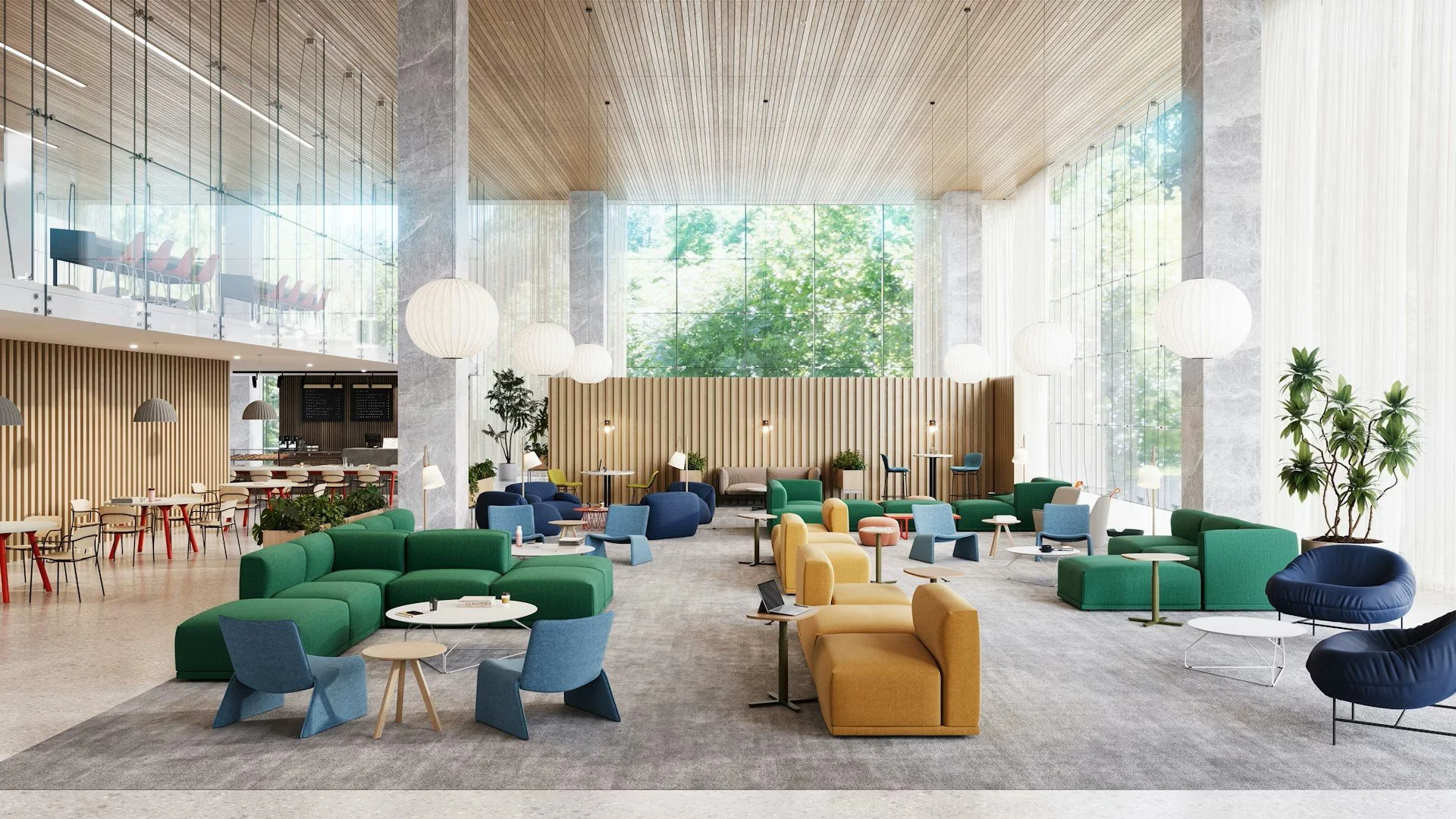
Looking Beyond Looks: Furniture as a Long-Term Investment
Choosing campus furniture isn’t just about style or cost anymore. Institutions are thinking strategically, viewing furniture as a key part of their sustainability efforts. As Gensler’s Sustainable Design Education Playbook notes, sustainable design isn’t a checklist—it’s a mindset. It’s about selecting items that last, serve multiple purposes, and provide value over their entire lifecycle.
Durable furniture reduces waste. When desks, tables, and seating withstand daily campus use, universities avoid frequent replacements, conserve resources, cut disposal costs, and lower environmental impact—not just for a semester, but for decades.
A Lifecycle Approach
Smart campuses ask the right questions before purchasing furniture:
Can this piece be repaired or refreshed easily?
Is it made from recycled or sustainably sourced materials?
Will it still fit in new spaces as our needs evolve?
Flexibility Meets Function
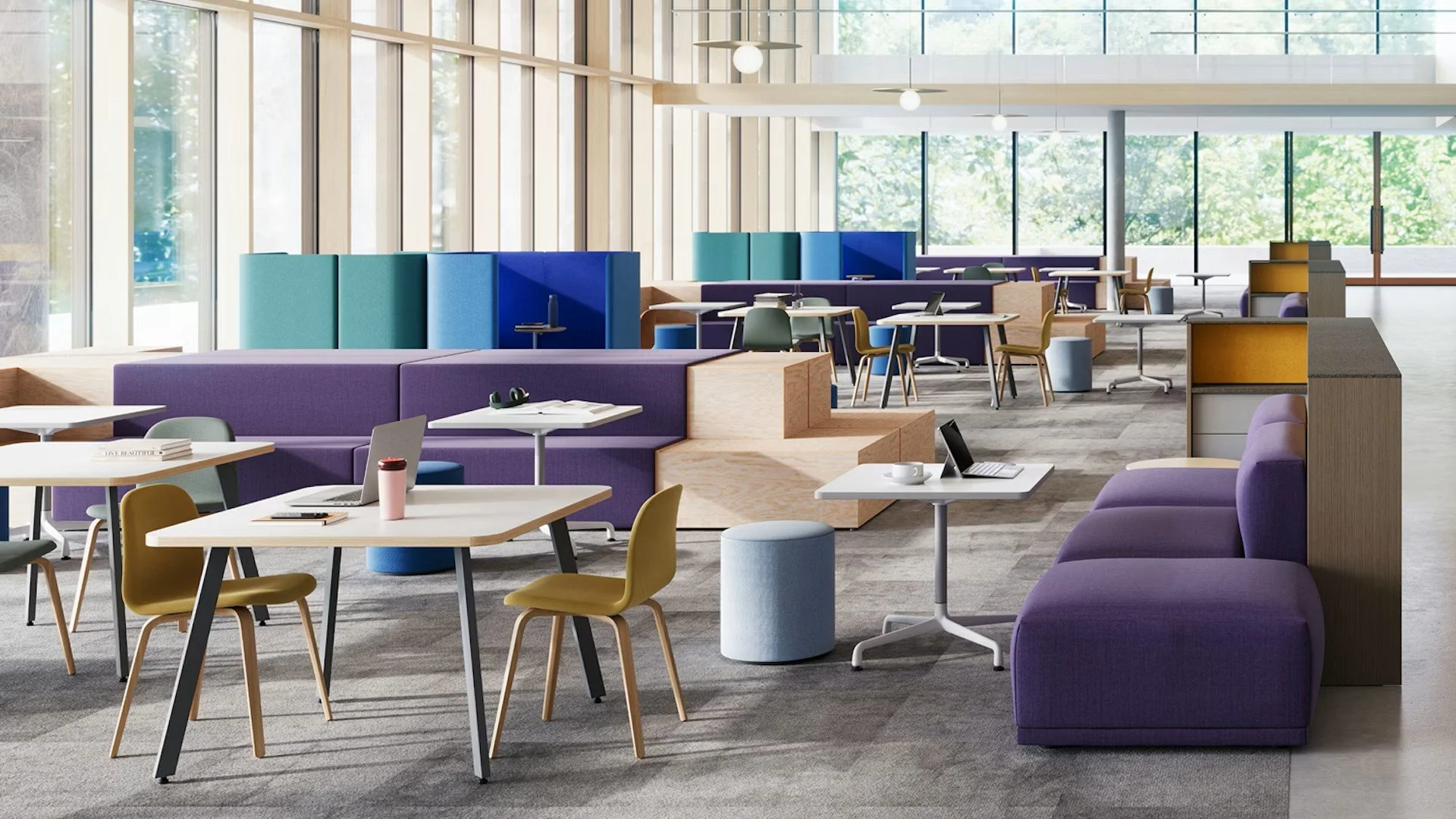
Campus spaces aren’t static. A lecture hall today might become a collaborative lab or social hub tomorrow. That’s why modular and reconfigurable furniture is essential.
MillerKnoll’s Hospitality in Higher Education highlights how flexible furnishings allow campuses to adjust spaces without costly renovations. Nesting chairs, rolling tables, and modular seating empower students and faculty to reshape rooms on the fly. This adaptability not only accommodates diverse teaching styles but also extends furniture life—eliminating the need to replace pieces when a space’s function changes.
Designing for Change, Not Obsolescence
Reconfigurable furniture pairs perfectly with adaptive reuse. Instead of discarding items when courses or departments evolve, campuses can repurpose them. This approach reduces waste and reinforces a core principle of sustainable design: make the most of what you already have before buying new.
Investing in the Future
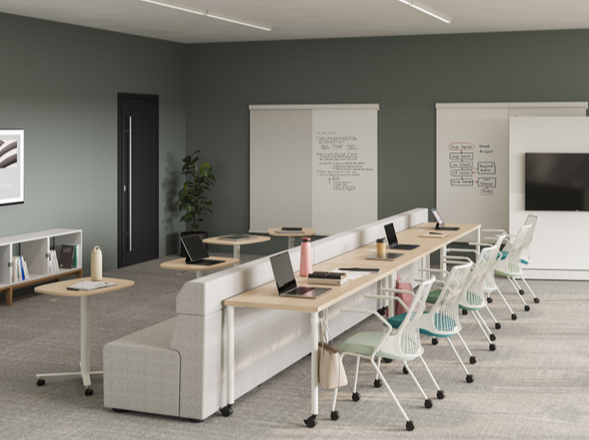
Sustainability isn’t a trend—it’s a long-term commitment. Universities are embedding these principles into master plans, procurement policies, and facility strategies. Every desk, seat, and table contributes to environmental goals, student experience, and operational efficiency.
Takeaway: Smarter Furnishing for Tomorrow
By prioritizing longevity, versatility, and responsibly sourced materials, higher education institutions are redefining what it means to build sustainable campuses. Furniture designed to evolve with campus needs isn’t just practical—it’s a commitment to resilience, flexibility, and long-term value.