
Furniture Systems Designed for Reconfiguration: The New “No-Renovation Renovation”
Traditional renovations are expensive, disruptive, and slow. In today’s workplace—where needs shift quickly and the workplace is continuously evolving—that pace often doesn’t make sense anymore. So, what if transforming a space didn’t require construction at all?
That’s the shift happening now. Instead of demolition and rebuilding, organizations are using adaptable furniture systems to refresh and reconfigure spaces in place. It’s a flexible approach that allows environments to evolve without the downtime, cost, and disruption of a full renovation.
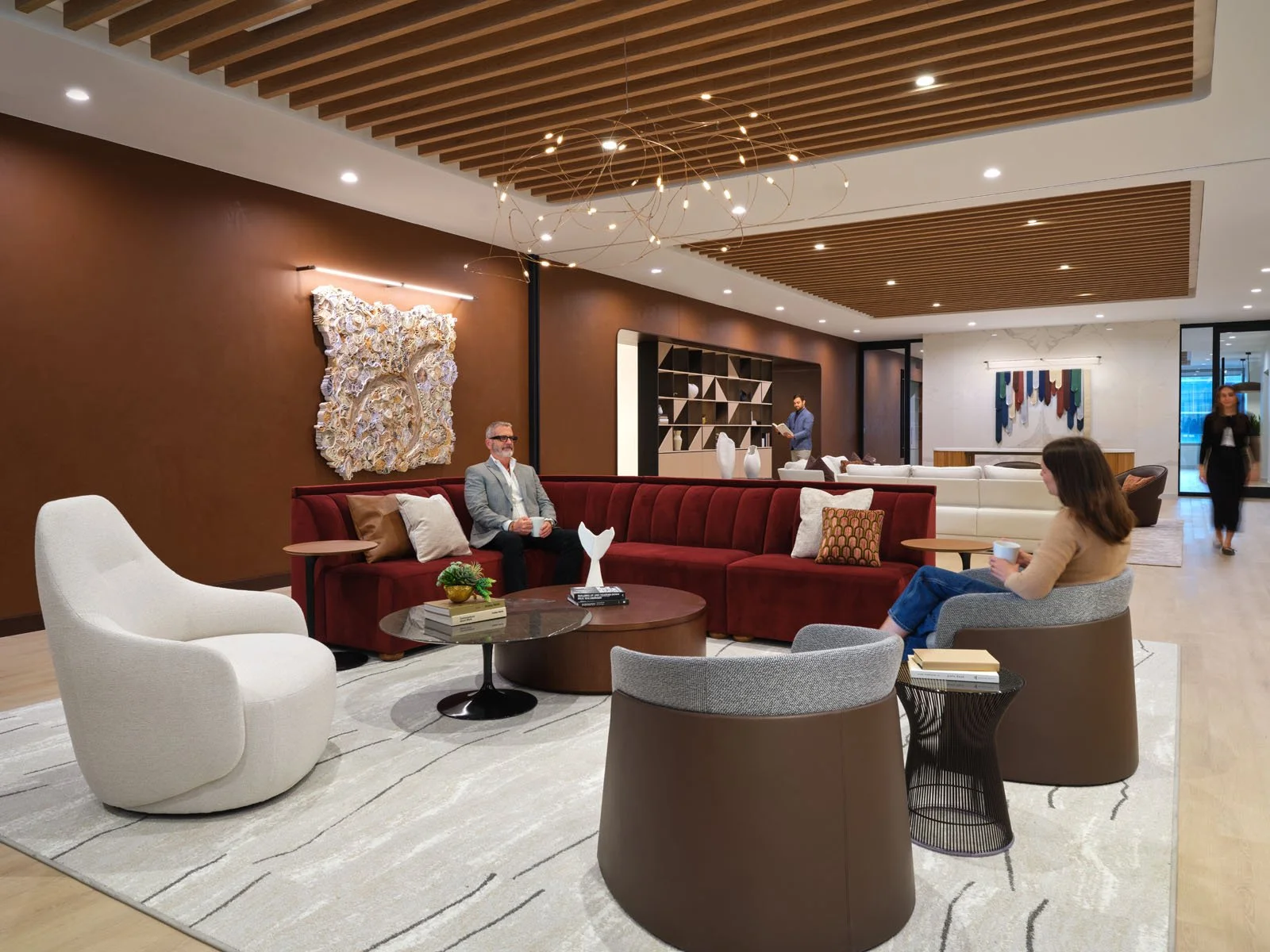
What Is a “No-Renovation Renovation”?
A “no-renovation renovation” is improving a space without traditional construction. Instead of starting over, organizations use modular systems and reconfigurable design to make meaningful changes. At its core, it uses furniture and interior systems to shift how a space functions—adjusting layouts, supporting different work modes, and improving experience without demolition. It replaces permanence with adaptability, allowing spaces to evolve as needs change rather than be rebuilt from scratch.
Why Traditional Renovation Fails and Furniture Becomes Infrastructure
The traditional renovation cycle was built for a slower, more predictable pace of work. That’s no longer the reality. Today, workplace needs shift quickly, budgets are tighter, and hybrid work has made space usage more fluid. Construction downtime disrupts operations, and long timelines often result in spaces that are outdated on arrival. Static environments struggle to keep up. When work is constantly evolving, the built environment needs to evolve with it—without requiring a full reset each time.
Furniture systems are no longer just furnishings—they’re becoming part of the infrastructure of the space. They support changing team sizes, create zones for focus or collaboration, and introduce privacy where needed. They can integrate storage, power, and technology while defining spatial boundaries without permanent construction. In many cases, they allow spaces to evolve long after installation.
When furniture functions as infrastructure, it becomes a long-term tool for adaptability instead of a fixed design decision.
These actions reflect deeper commitments to reduce waste and emissions, advance circularity, and rethink how products are made and reused.
The Benefits of Reconfiguration Over Renovation
Speed—changes that might take months in a traditional renovation can often happen in days, minimizing downtime and keeping teams productive.
Cost efficiency—reducing demolition and construction waste allows organizations to make meaningful updates without full renovation costs.
Reduced disruption—spaces can be adjusted while employees continue working, avoiding shutdowns and supporting day-to-day operations.
Sustainability—reusing existing systems and minimizing demolition helps reduce material waste and lowers overall environmental impact.
Ongoing flexibility—instead of locking a space into one layout, organizations can adjust it continuously as needs change.
Where It Has the Biggest Impact
Reconfigurable design shows up most clearly in environments that are constantly shifting. In corporate workplaces, it supports hybrid teams by allowing spaces to expand, contract, or rezone based on daily needs. In education, it enables classrooms to adapt to different teaching styles and group sizes. In healthcare spaces—especially administrative and care-adjacent environments—it supports evolving workflows, staffing structures, and more responsive layouts. Shared spaces also benefit when they need to stay functional without frequent construction updates.
The common thread is change, and reconfigurable systems are built to keep pace with it instead of lagging behind.
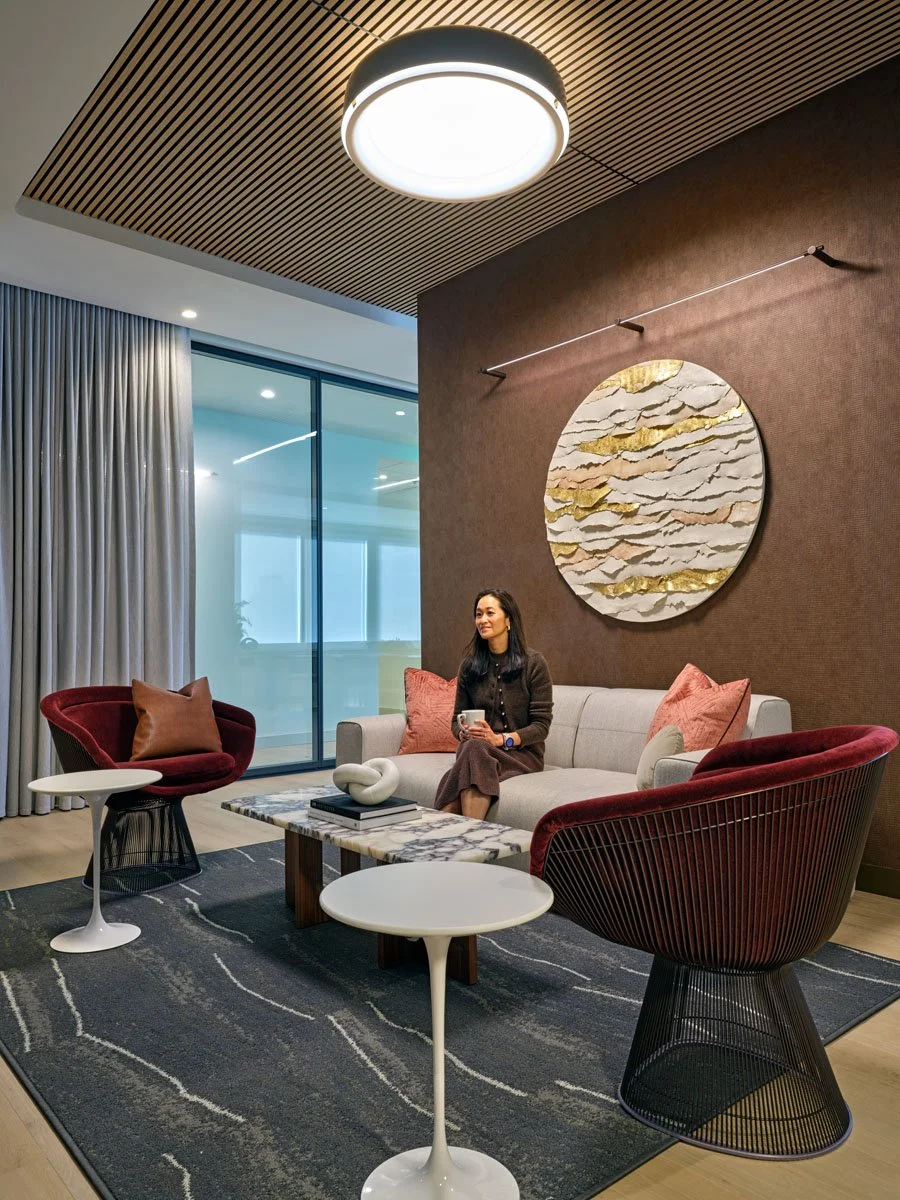
The Future Is Reconfigurable
A renovation doesn’t always need construction. With thoughtfully designed furniture systems, organizations can transform spaces faster, more sustainably, and with far less disruption than traditional renovation cycles allow. Instead of starting over every time needs shift, they can simply reconfigure what already exists. That’s the promise of the new no-renovation renovation: spaces built not just for today, but for how work will evolve next.
If you’re exploring ways to make your space more adaptable, the opportunity often isn’t in rebuilding—it’s in rethinking what can be reconfigured instead. Reach out to Corporate Environments to start the conversation.