5 Emerging Workplace Trends for 2026
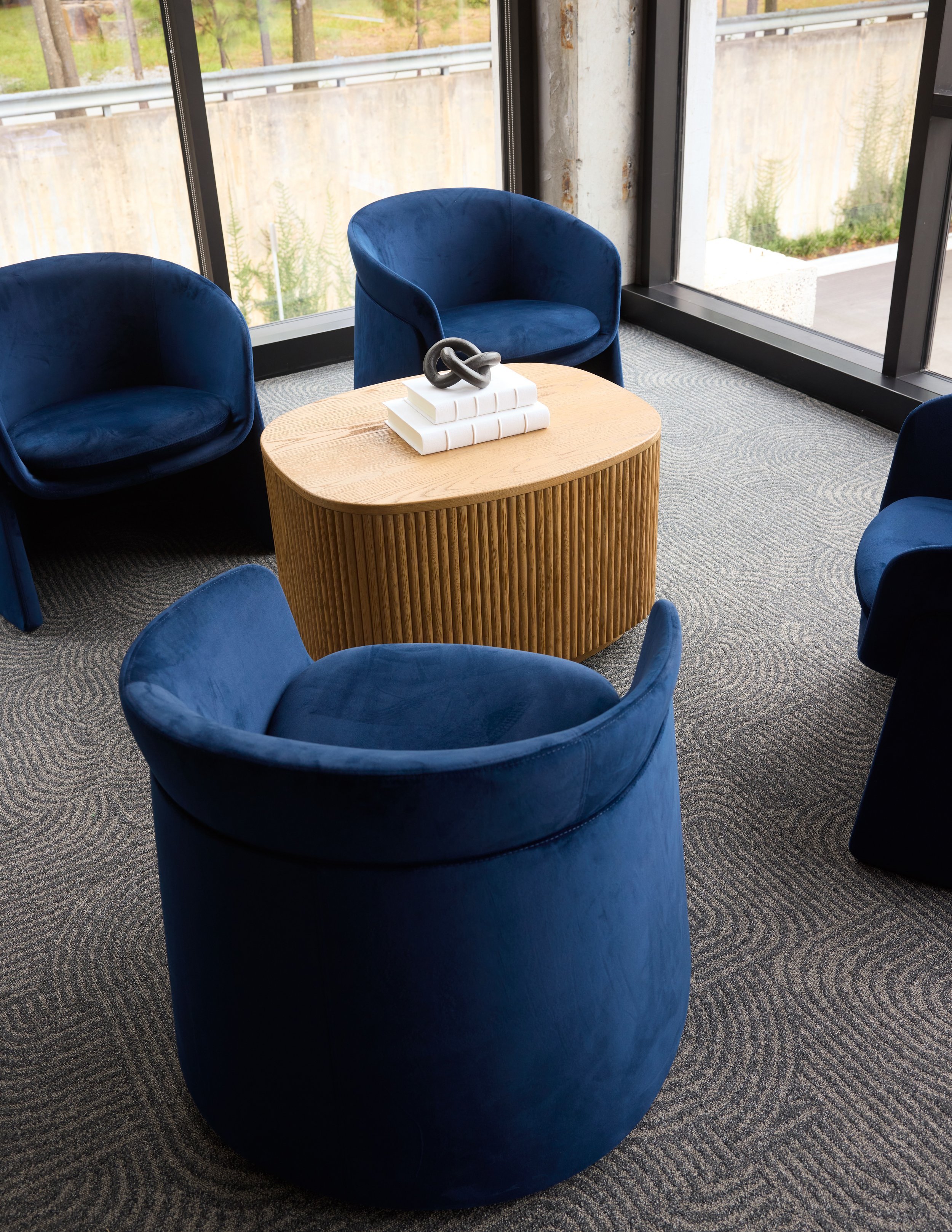
As organizations fine-tune their future-of-work strategies, 2026 is already shaping up to be a transformative year. AI is accelerating how we work, employee expectations are shifting fast, and flexibility has become more than a perk—it’s a fundamental design principle. Companies are taking a deeper look at what people actually need to do their best work, and how both digital and physical spaces can support that.
The result? Workplaces that are more adaptive, more connected, and more human-centered than ever.
1. AI-Integrated Workflows Become the New Normal
AI is no longer just a smart tool—it’s becoming a teammate. Teams are using it to organize information, speed up decisions, support creative work, and help balance workloads. And instead of juggling a handful of disconnected tools, companies are building fully integrated workflows where AI and humans work side-by-side.
That means fewer repetitive tasks and more time for meaningful, strategic work.
Product Spotlight:
· MillerKnoll: The OE1 Workspace Collection from Herman Miller is built for AI-driven teams. Modular pieces, mobile tables, agile walls, and clean tech integration give teams the freedom to shift between deep focus, collaboration, and rapid iteration—perfect for multi-display AI setups.
· MillerKnoll: The Cosm Chair provides effortless ergonomic support with its “just-right” feel, ideal for long analysis or development sessions.
· MillerKnoll: Antenna Workspaces offer flexible, tech-ready benching that keeps fast-moving AI-focused teams aligned and supported.
2. Hybrid Work Evolves into a Fully Connected Ecosystem
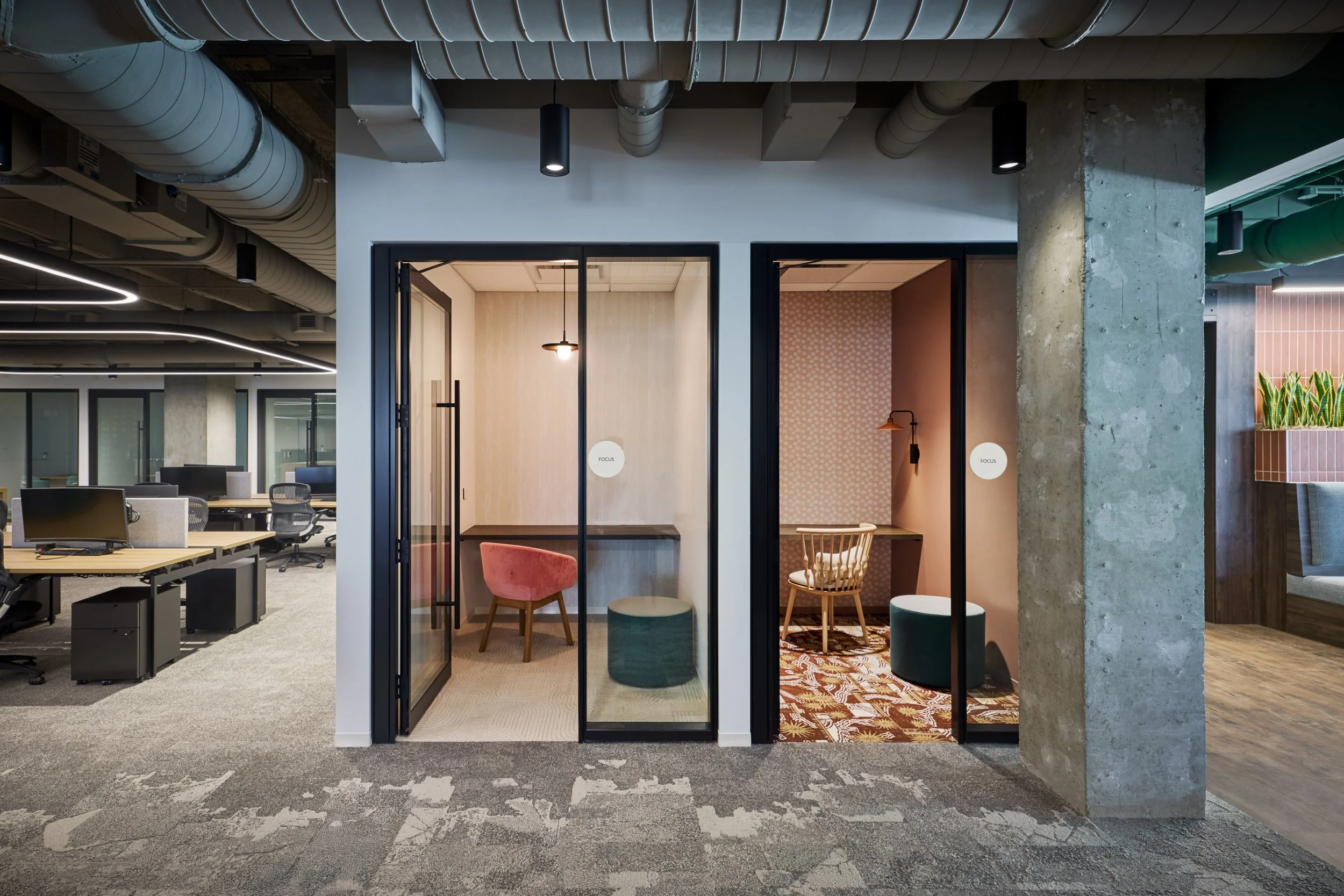
Hybrid work is entering its next stage. It’s no longer about splitting time between home and office—it’s about staying deeply connected no matter where work happens. Offices are becoming hubs for collaboration, creativity, and culture-building, while digital platforms support everyday communication and project flow.
Product Spotlight:
· MillerKnoll: The Herman Miller Renew Sit-to-Stand Desk offers smooth motorized adjustment, memory presets, and streamlined cable management. For more agile spaces, the OE1 Sit-to-Stand Table provides compact, foot-pedal height adjustment, and the Spout Table delivers built-in power with a clean, modern look.
· DIRTT: The Leaf Folding Wall folds open or closed in seconds, helping teams reshape their environment on demand. Its modular design and acoustic performance make it ideal for hybrid offices that need to switch gears quickly.
3. Skills-Focused Hiring and Development
More organizations are moving away from rigid job titles and focusing on skills instead. This creates more fluid career paths, encourages continuous learning, and helps teams collaborate more effectively across departments. Workplaces are being intentionally designed to support this shift—with spaces for mentorship, knowledge-sharing, and cross-team connection.
Product Spotlight:
· MillerKnoll: Dividends Skyline from Knoll is a newly launched modular system that blends privacy, daylight, and collaboration. Its flexible panels and integrated lounge elements support everything from focused individual work to mentorship and team development.
· Global: The Princeton Modular Workstation (A4A1) includes over 1,000 configurable components. With overlapping surfaces, floating modesty panels, and open storage, it adapts easily as roles shift—perfect for evolving, skill-focused teams.
4. Employee Experience Becomes a Business Imperative
Employee experience has officially moved from “nice to have” to “non-negotiable.” Organizations are paying closer attention to onboarding, manager support, psychological safety, and the usability of workplace tech. The goal is clear: create environments where people feel supported, connected, and equipped to do great work.
Product Spotlight:
· Maharam: Millerstripe Fabric brings color, texture, and warmth to seating or wall panels—helping offices feel more personal, welcoming, and grounded in identity.
· Muuto: The In Situ Modular Sofa offers flexible, sculptural seating for casual meetings, collaboration, or quiet downtime. Its inviting design helps people feel comfortable and connected throughout the day.
5. Well-Being and Sustainability Drive Design Choices
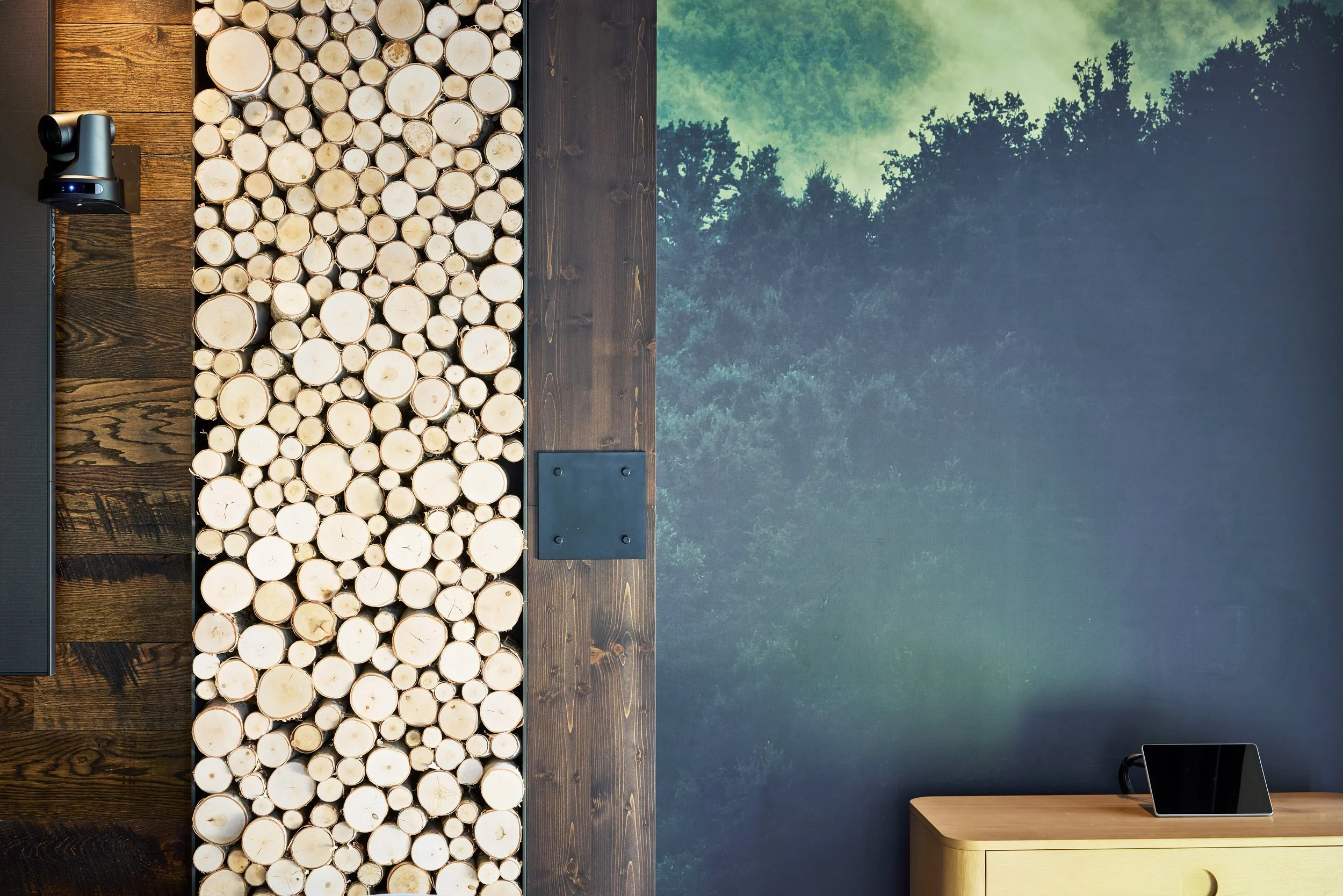
Well-being and sustainability are no longer separate initiatives—they're central to workplace design. Companies are choosing solutions that promote comfort, support mental health, and reduce environmental impact. From ergonomic seating to biophilic elements and energy-efficient materials, these choices make workplaces healthier, more inspiring, and more responsible.
Product Spotlight:
· MillerKnoll: The Herman Miller Lino Chair is lightweight, breathable, and made for movement—great for dynamic project work or mentoring environments.
· Maharam: Their customizable textiles bring acoustic comfort and visual richness to collaborative or focused areas, supporting both well-being and productivity.
· MechoShade Systems: SolarTrac 4.0 automates shading to control glare and heat, while EcoVeil® fabrics offer sustainable, recyclable performance—ideal for workspaces prioritizing wellness and environmental responsibility.
Risks to Keep on the Radar
AI Workflows: Overreliance without oversight can lead to errors, bias, or reduced trust.
Hybrid Work: Without the right strategy or tools, teams can feel disconnected fast.
Skills-Focused Hiring: If learning opportunities aren’t accessible to everyone, inequities can widen.
Employee Experience: Neglecting psychological safety or ergonomics impacts engagement and retention.
Well-Being & Sustainability: Overlooking comfort, daylight, or eco-friendly materials undermines health and long-term environmental goals.
Looking Ahead
The workplace of 2026 will be defined by flexibility, intentional design, and a deep focus on people. Organizations that embrace human-centered strategies—and invest in thoughtful, high-quality solutions from leaders like MillerKnoll—will build environments where people truly thrive.
Ready to talk about what’s next for your workplace? We’d love to help.