MERCEDES-BENZ
NorthYards RESEARCH & DEVELOPMENT
Turning a Former Factory Into a High-Performance R&D Center
Year: 2026 | Location: Atlanta, GA | Partners: North Avenue
When a California-based team relocated to Atlanta, the goal wasn't simply to furnish a new office. The client needed a high-performance R&D environment that could support technical work, professional services, training, and collaboration, while delivering the elevated experience expected of a sophisticated brand without exceeding the budget.
Corporate Environments helped navigate the realities that don't show up on a floor plan: an existing factory with imperfect conditions, no floor coring, competing space requirements, and a compressed schedule. The result was a 214-workstation workplace that combines industrial functionality with a polished, high-end experience and was installed in April 2026, just four months after award.
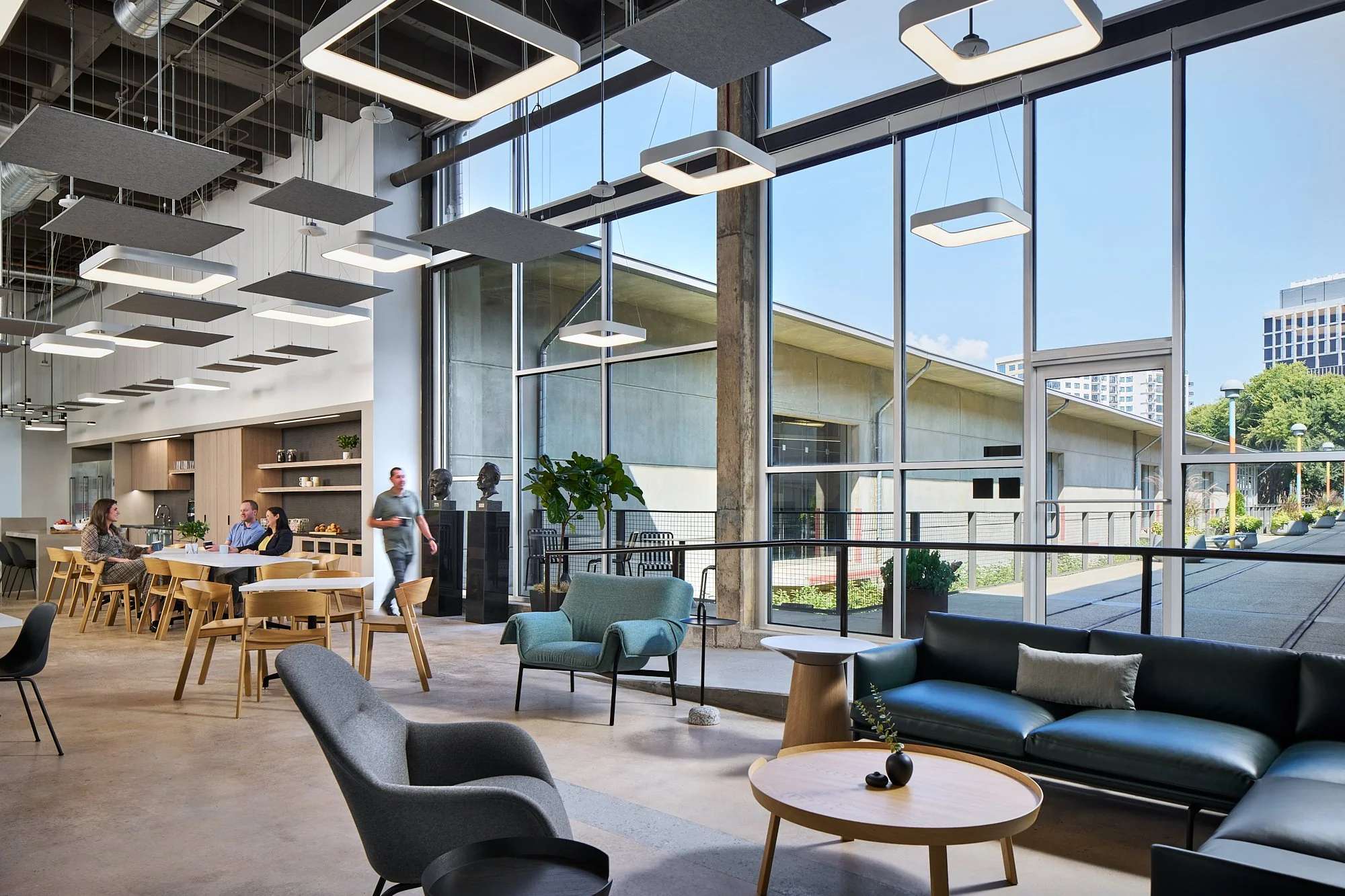
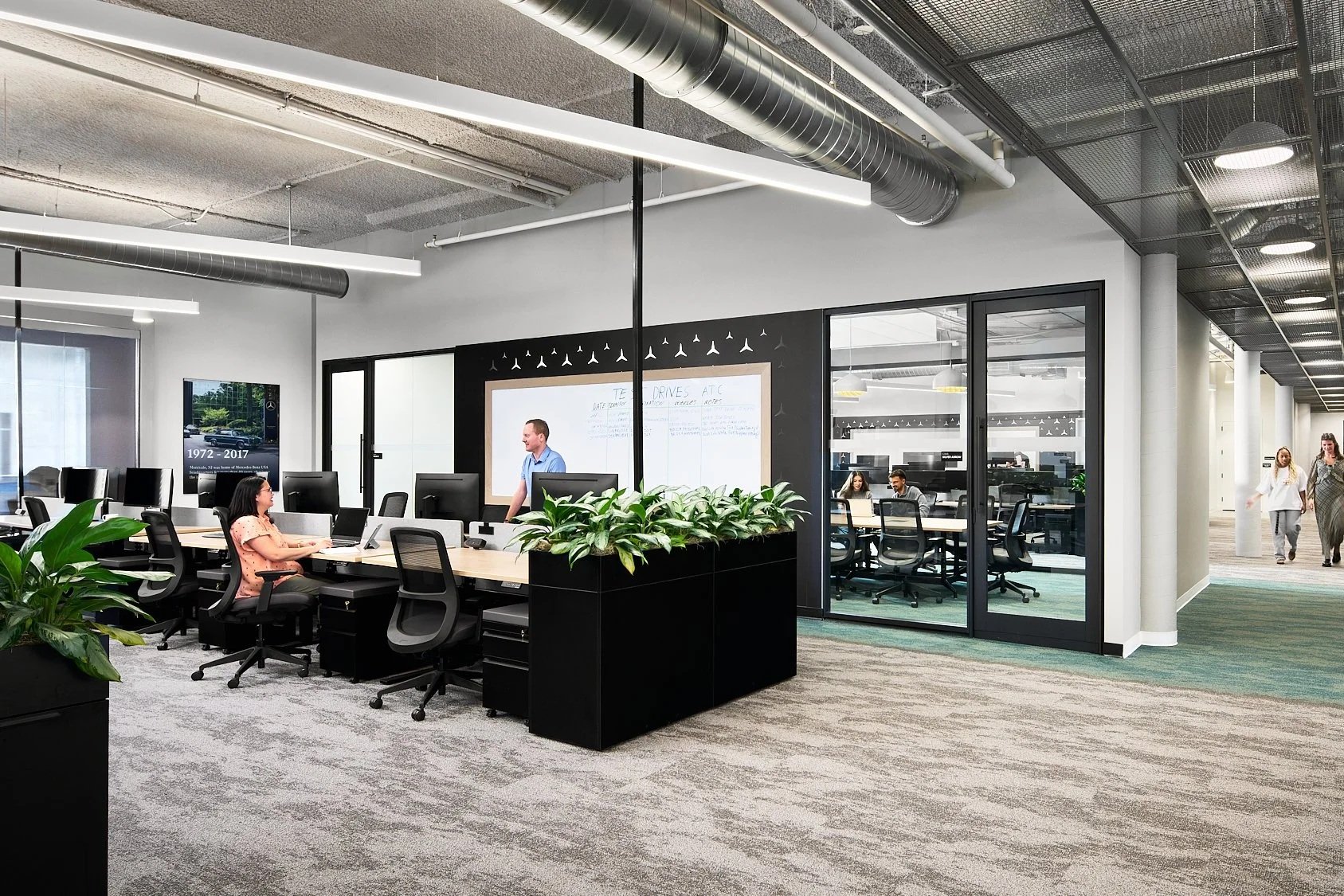
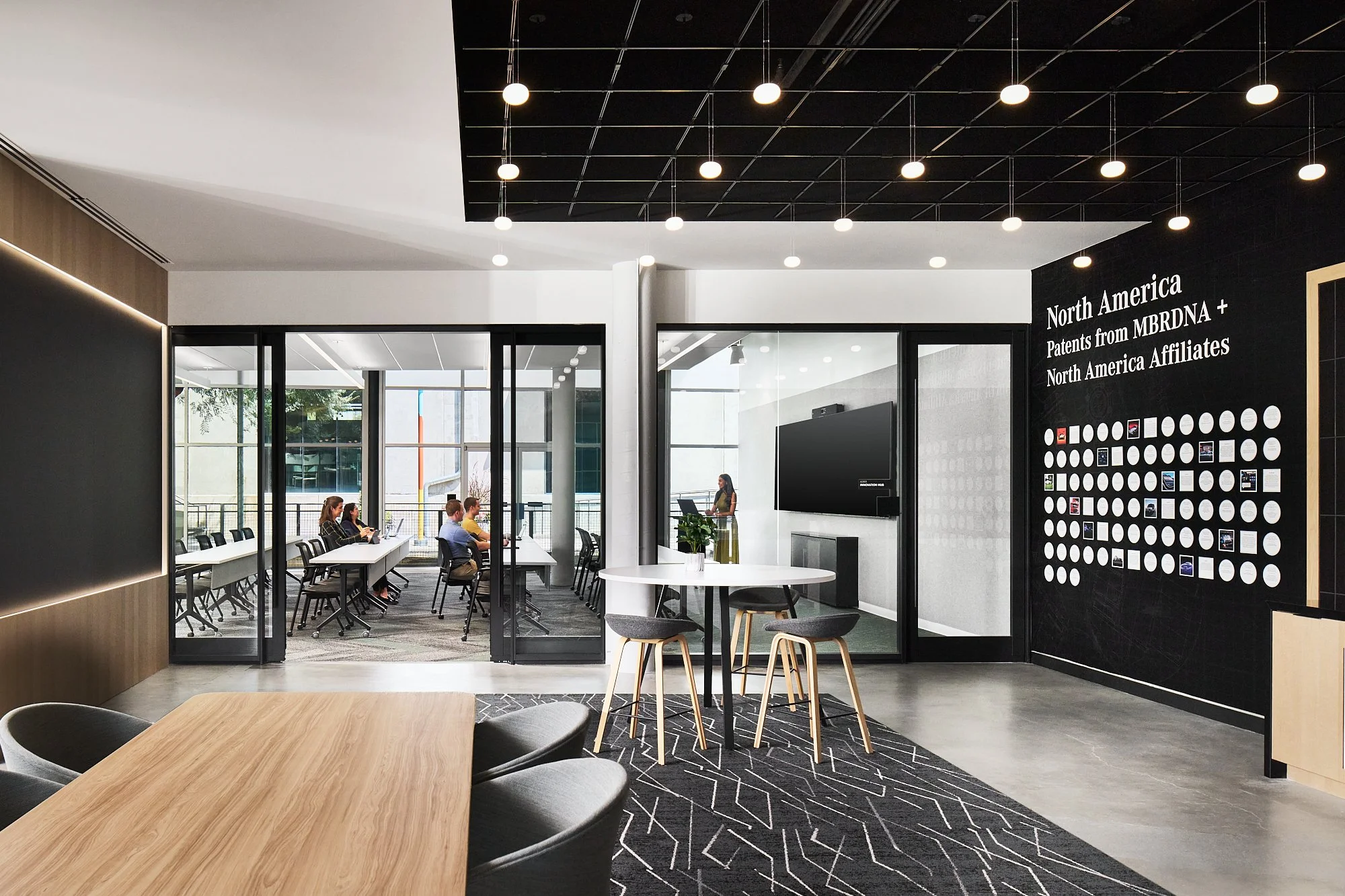
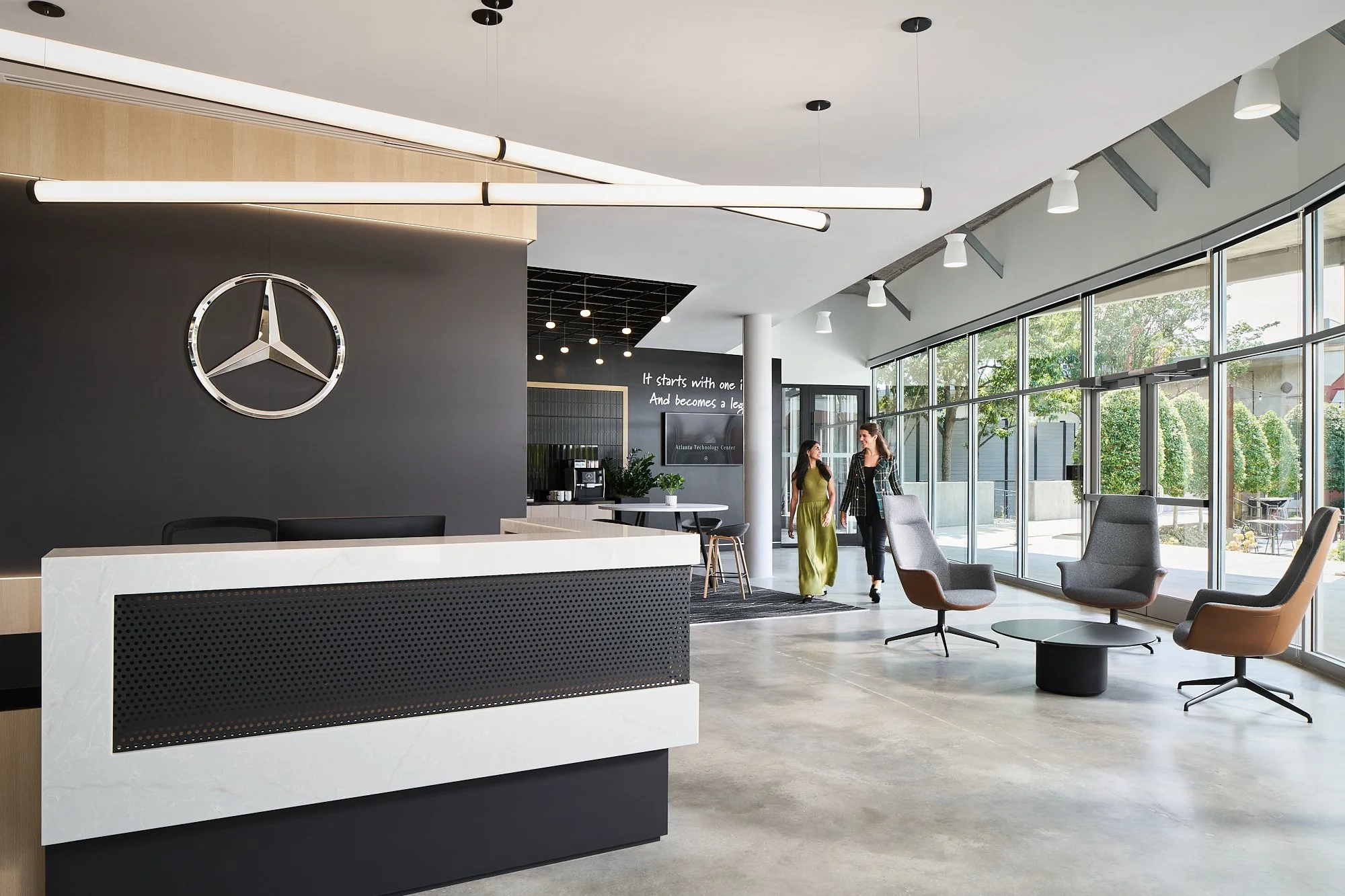
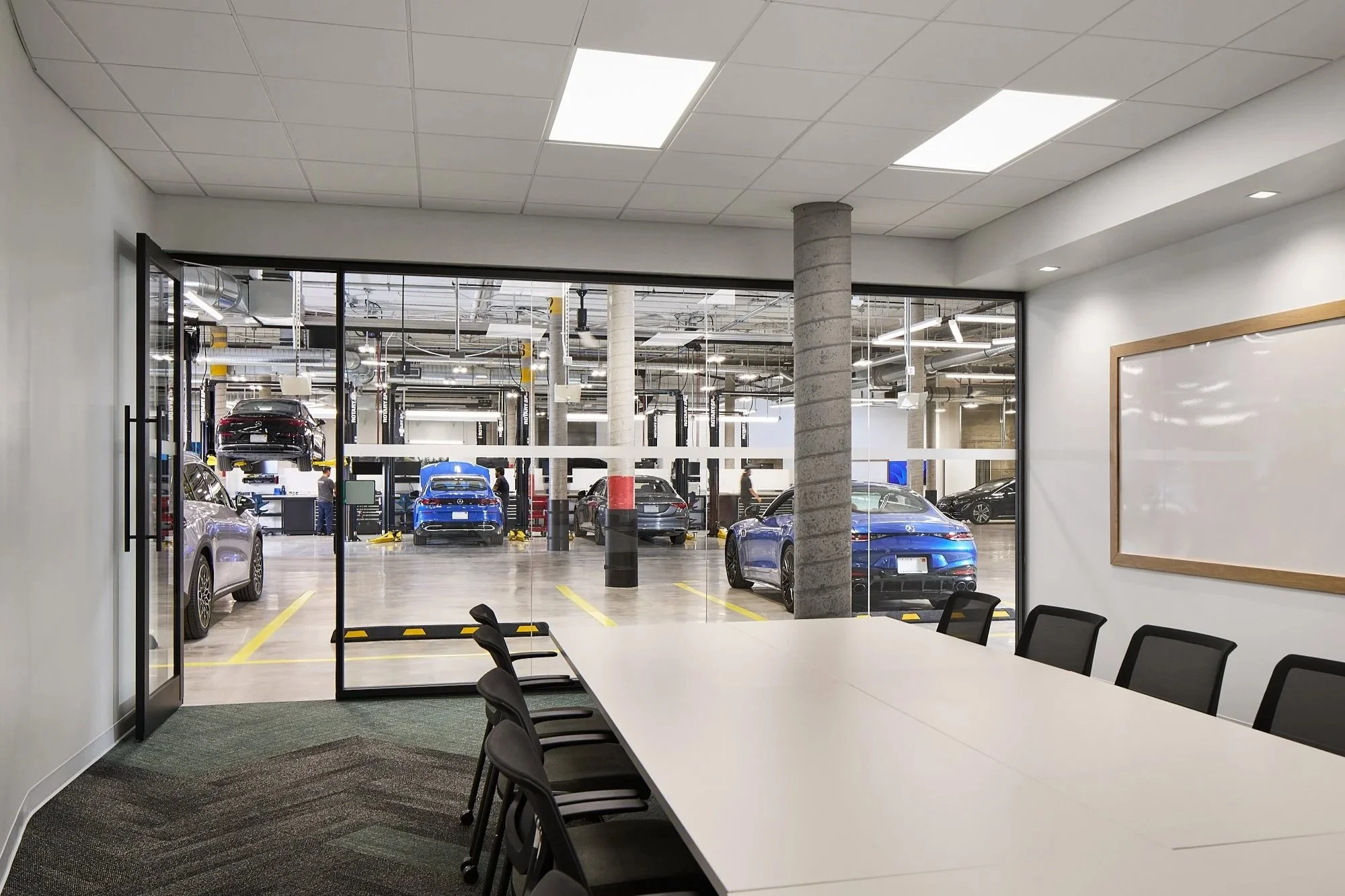
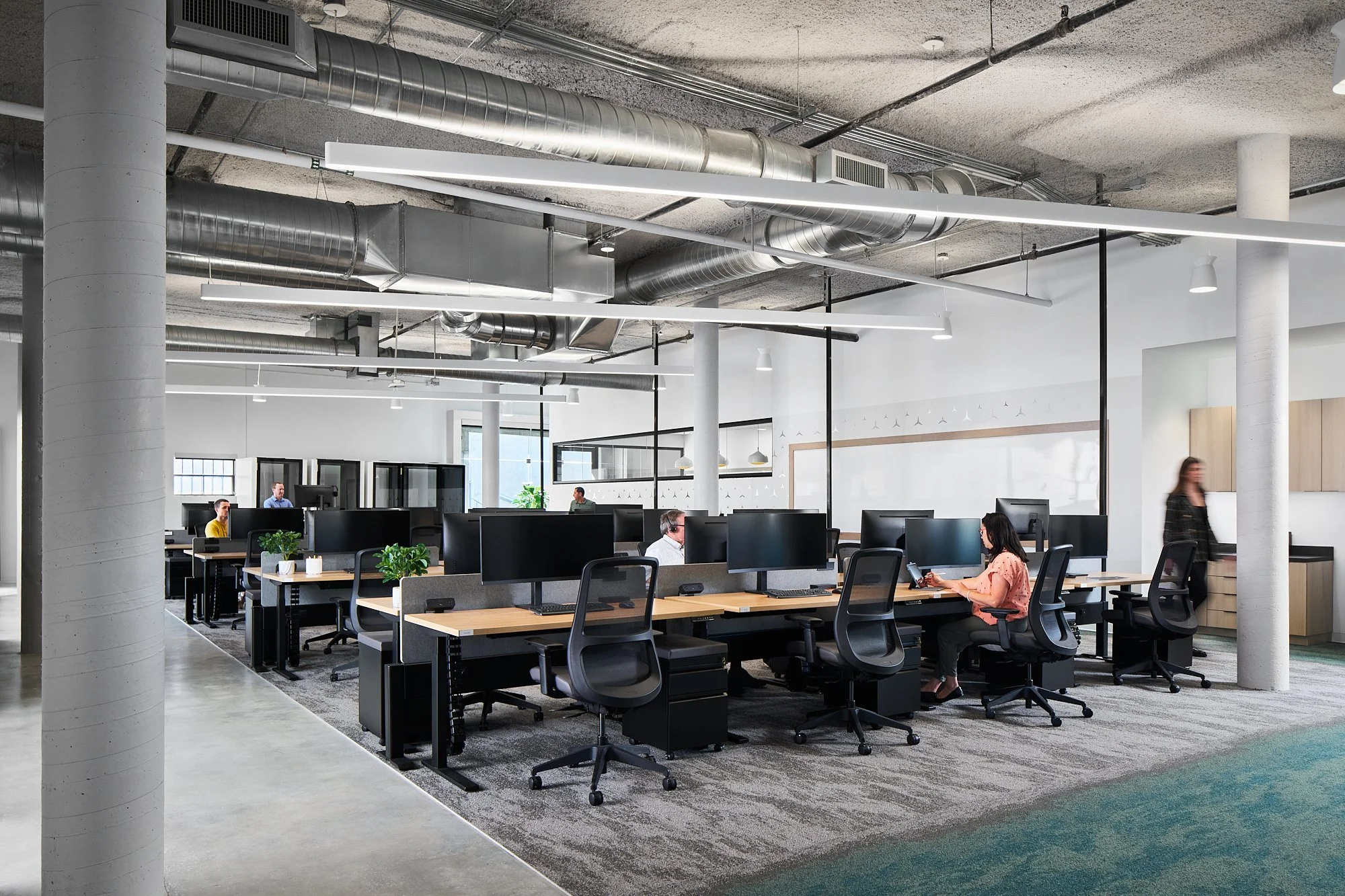
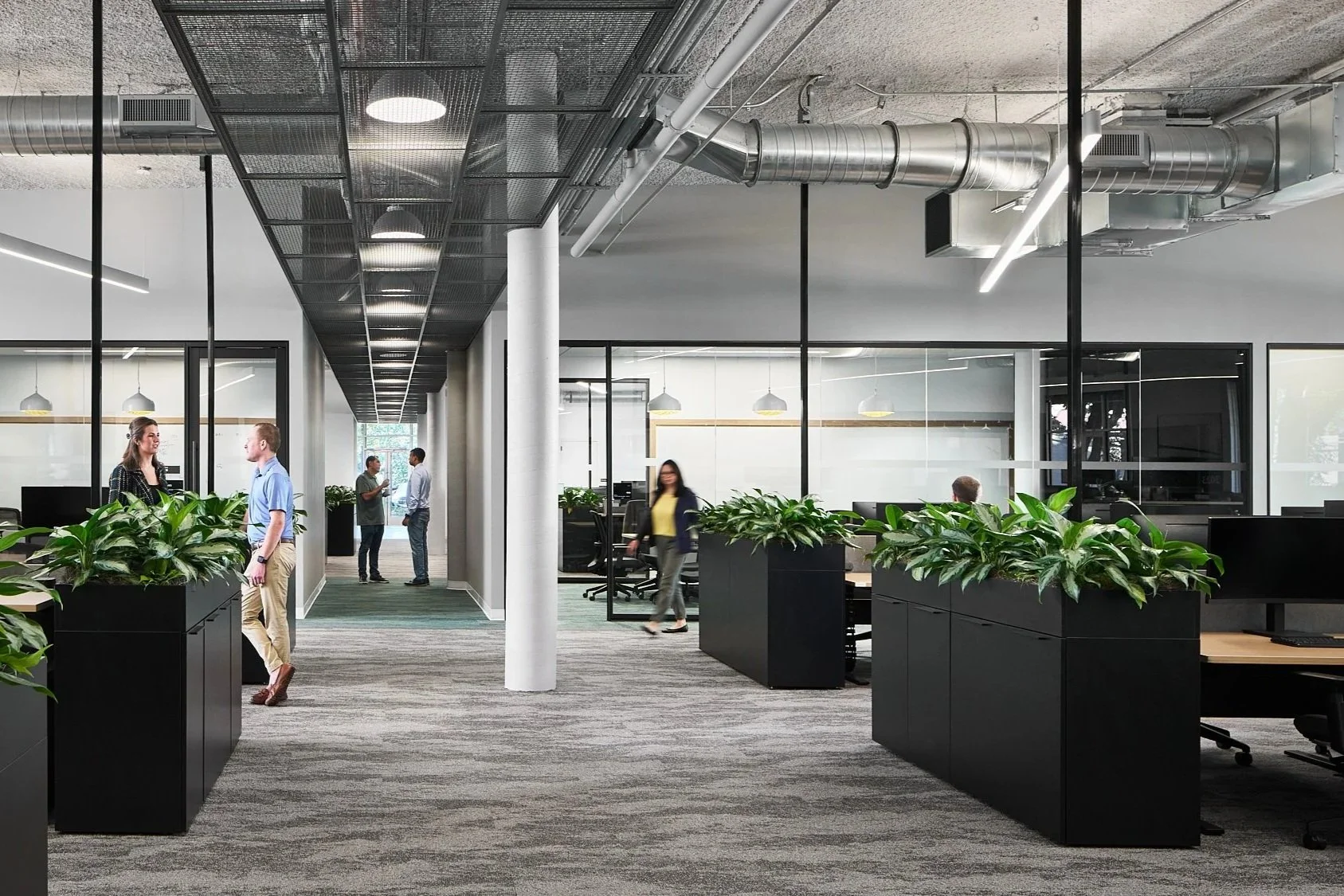
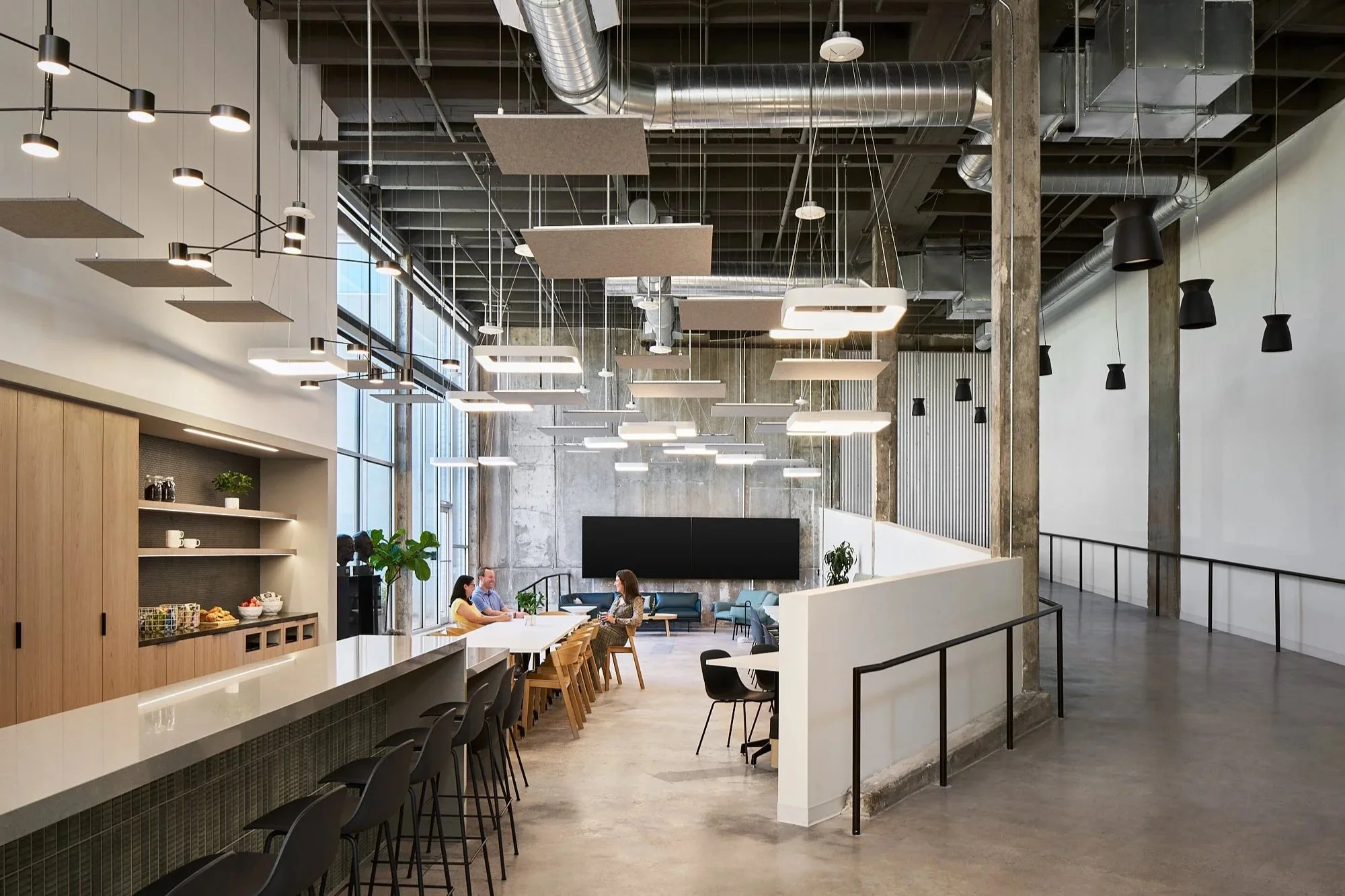
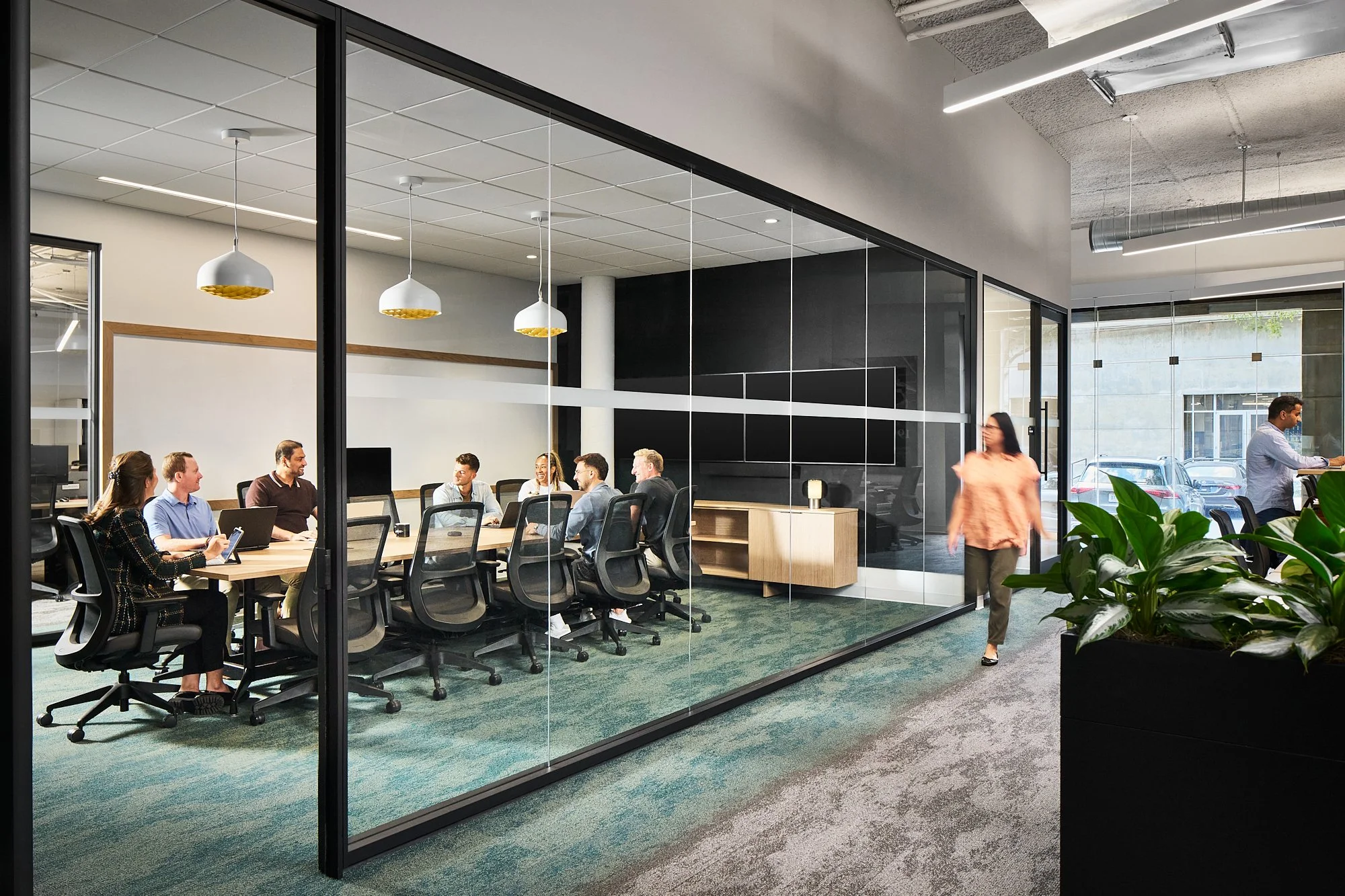
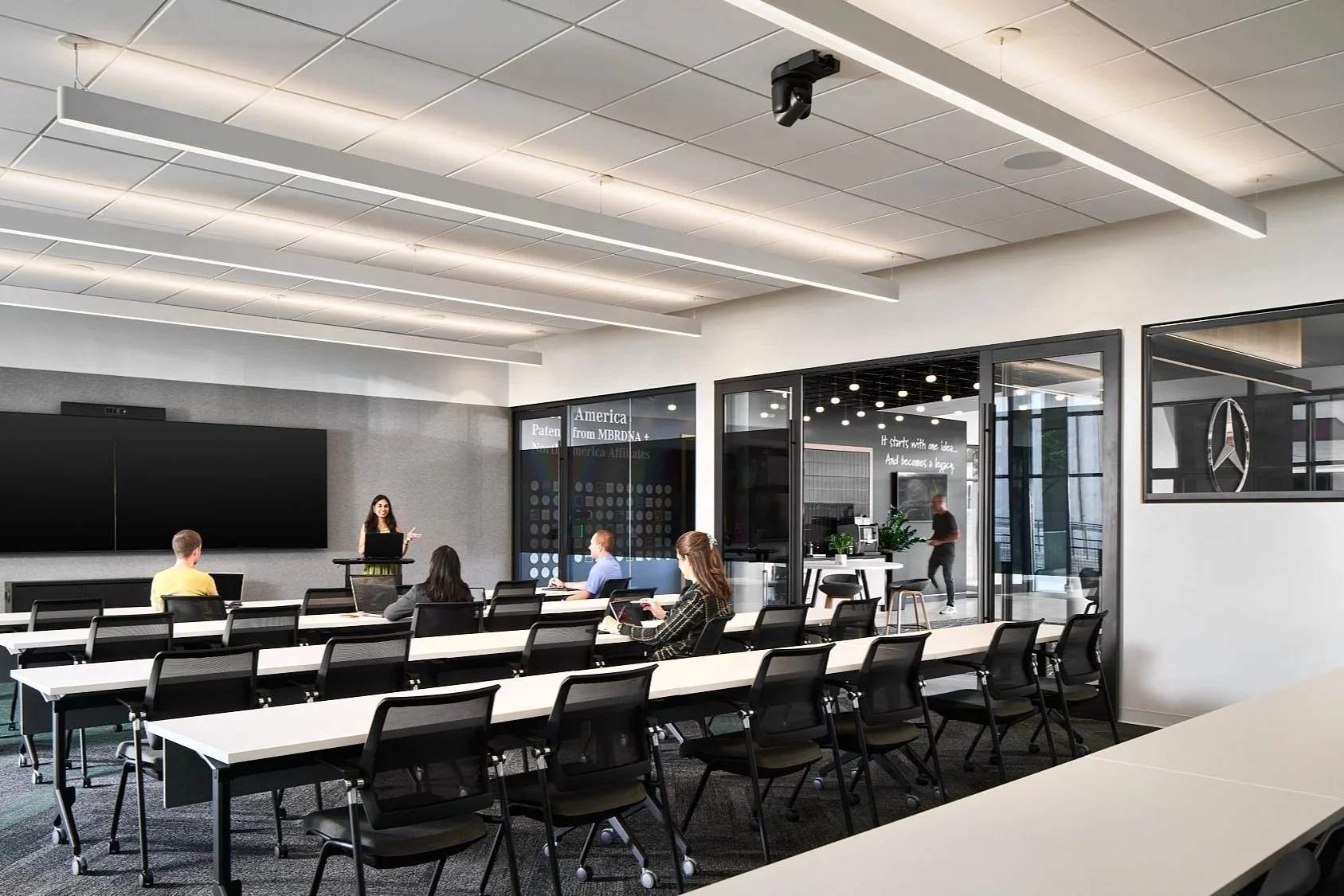
Relocating an established team from California to Atlanta created an opportunity to rethink how the organization would work, but it also created a hard deadline. The client needed a state-of-the-art R&D center that could support very different modes of work under one roof. One side of the facility had to accommodate the realities of an industrial R&D environment. The other needed to function more like a professional services workplace, with touchdown areas, individual workstations, training space, and places for teams to gather and collaborate.
The budget, however, was not unlimited. That tension is where workplace projects are often won or lost. Creating a quality experience isn't necessarily about specifying the most expensive solution. It is about understanding where the investment matters, where it doesn't, and how every decision affects the way the space ultimately performs.
The building had previously operated as a factory. On a drawing, workplace planning can look orderly. On an actual job site, existing buildings tell a different story. Walls aren't always straight. Conditions don't always align to the architectural grid. Infrastructure isn't necessarily where a new workplace needs it to be. This project was a particularly clear example.
Because floor coring wasn't possible, the team had to develop a different approach to distributing power throughout the workplace. Power poles provided the necessary infrastructure, but the client didn't want them to become a dominant visual element. The solution required more than simply finding a way to power the workstations. It required coordinating the infrastructure with the planning strategy so the technical requirements could coexist with the clean, high-end aesthetic the client wanted. That's the kind of constraint that is easy to overlook during design and expensive to solve late in the project.
Corporate Environments approached the project around a simple question: Where does the client's investment create the most value? Rather than allowing the budget to be consumed by individual specifications, the team looked at the workplace as a whole and identified opportunities to achieve the required performance and appearance more efficiently.
Power and workstation planning were two areas where that approach made a significant difference. The team identified solutions that delivered the functionality the R&D environment required, including height-adjustable workstations and integrated power while maintaining the sleek visual language of the space.
That allowed the project to preserve the high-performance character the client wanted without treating every element of the workplace as a premium-cost item. The result is an important lesson for organizations building or relocating into a new workplace: a high-end experience is created through disciplined decisions, not simply a high-end budget.
The schedule left little room for mistakes. The RFP was received in October 2025. The project was awarded in December, orders were placed in January, and installation was completed in April 2026. That timeline required close coordination between Corporate Environments, Abel Design, North Avenue, the client, and the broader project team. Installation also had to respond to building readiness and sequencing across different environments rather than treating the workplace as one uniform installation.
For a project combining R&D, training, professional services, and collaboration areas, that distinction matters. A delay in one part of the building can quickly affect everything downstream.
The team used a tightly coordinated, just-in-time approach to keep installation aligned with site conditions and operational sequencing. That helped protect schedule continuity while reducing unnecessary disruption during the final stages of the build-out.
The completed facility now brings together the very different demands of a modern R&D organization in one cohesive environment. Technical work can happen alongside professional services. Teams have dedicated areas for focused work as well as spaces to meet, train, and collaborate. The industrial character of the former factory remains part of the building's identity, while the workplace itself introduces a more refined, energized experience. The transformation isn't about hiding what the building was. It's about making the existing building work for what the organization needs next.
The client gained an Atlanta R&D environment that balances four competing priorities:
Performance: Supporting technical and professional work within one coordinated workplace.
Experience: Creating a sleek, high-end environment that reflects the client's high-performance culture.
Value: Making strategic investments rather than assuming premium results require premium spending everywhere.
Speed: Moving from RFP to completed installation in approximately six months, with only four months between award and installation.
For Corporate Environments, that's the real measure of a successful workplace project. The question isn't whether the furniture looks good on move-in day. It's whether the decisions made during planning, procurement, and installation help the client operate better once everyone is back at work.
Check out the news article about this project here.
Photography Credit: © Garey Gomez