
ROBINS AIR FORCE BASE
Combat Avionics Program Office Renovation | Robins Air Force Base
Year: 2023 | Location: Warner Robins | Partners: Flatware Group
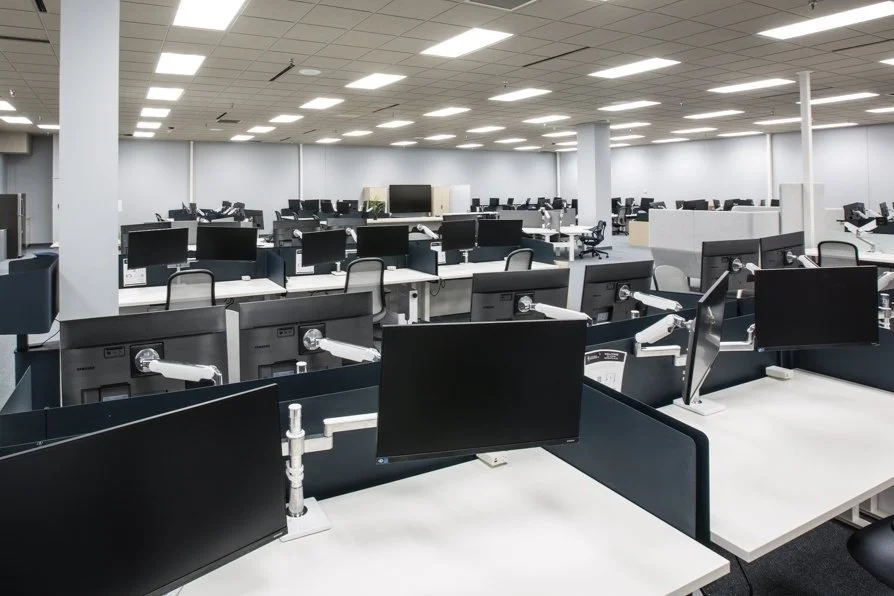
When the Combat Avionics Program Office at Robins Air Force Base set out to create an "Office of the Future," they weren't simply renovating a workspace—they were redefining how a modern government team could collaborate, adapt, and perform. By replacing a traditional cubicle farm with a flexible, activity-based environment, the team increased workstation capacity by more than 35% while adding collaboration zones, private meeting spaces, and amenities that support today's hybrid workforce.

PROJECT HIGHLIGHTS
Increased workstation capacity from approximately 60 to 83 workstations
Transitioned from assigned seating to a flexible, free-address workplace model
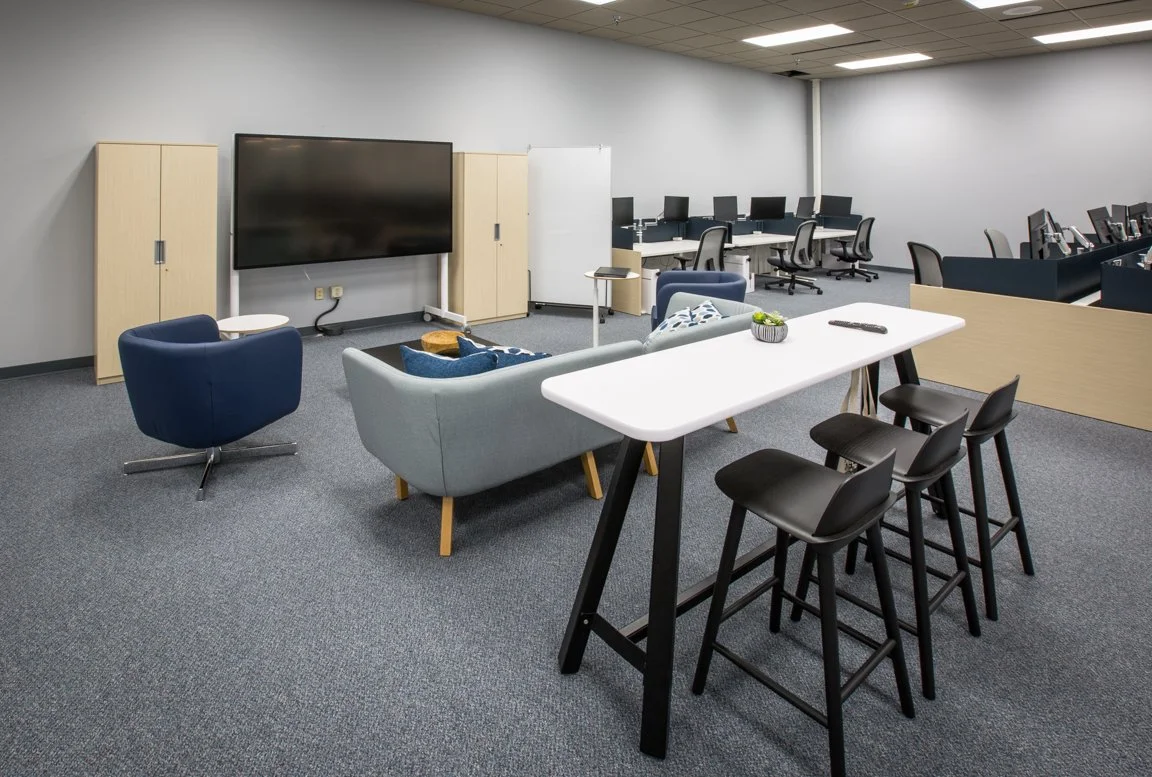
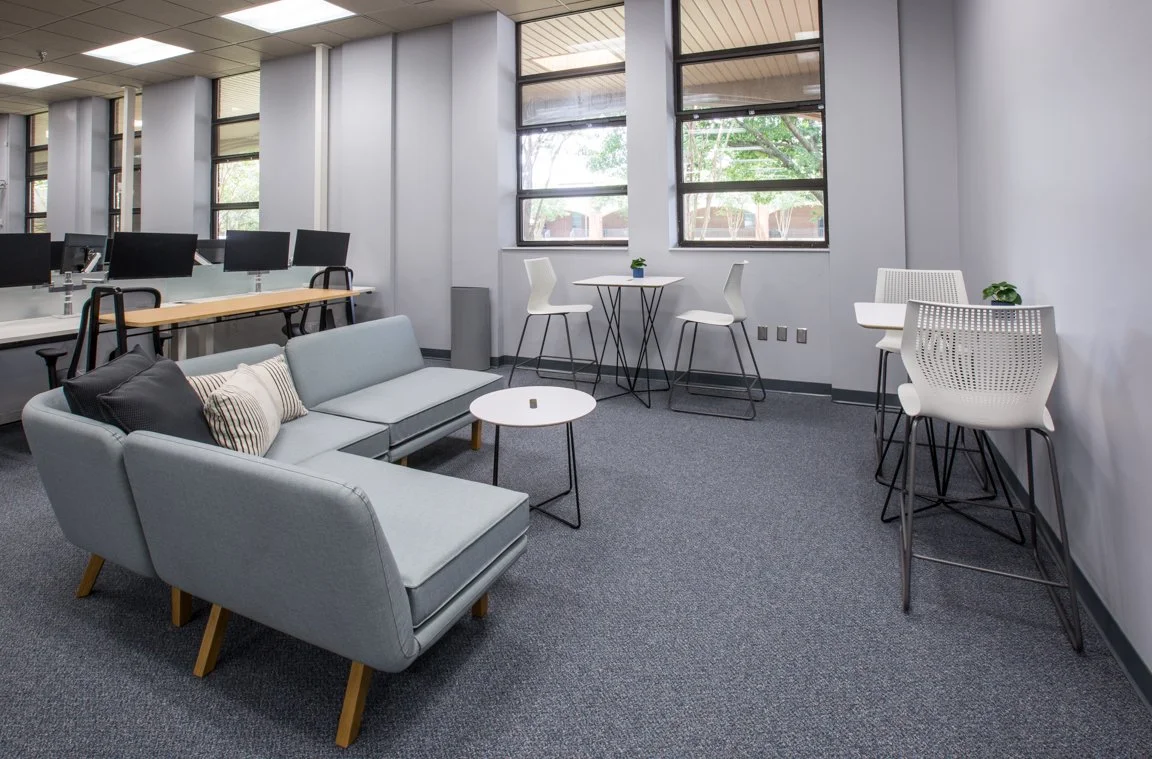
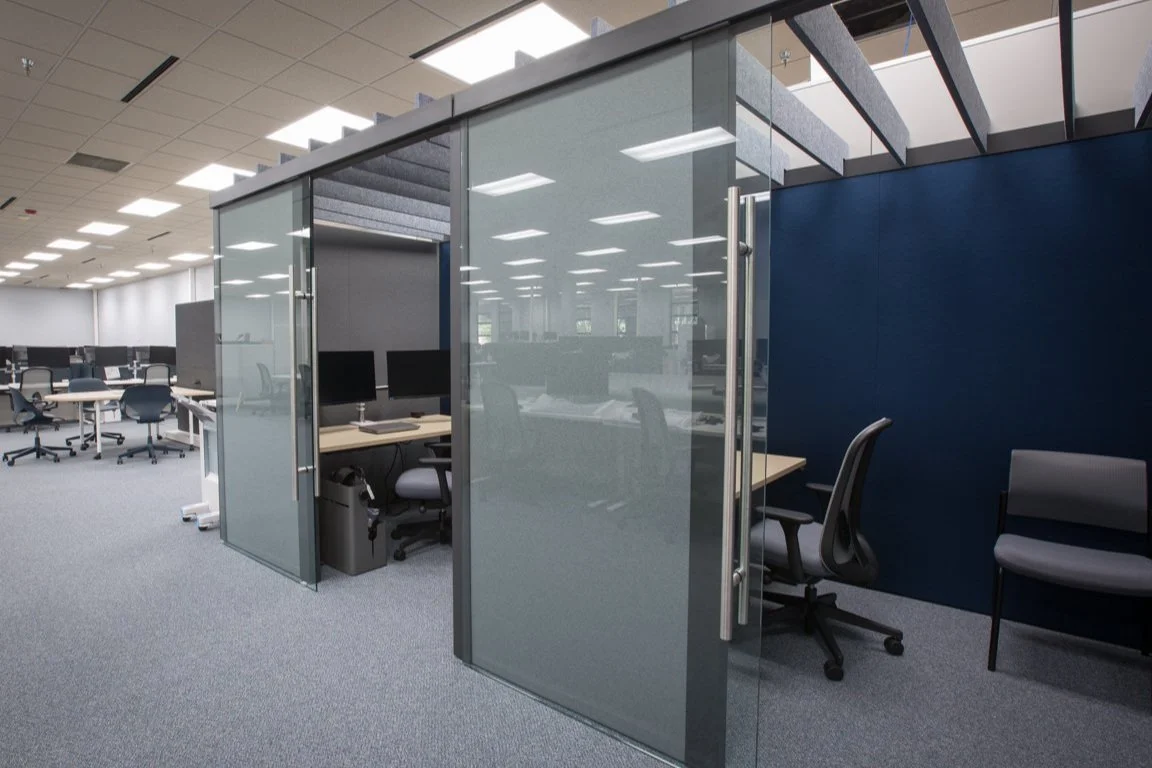
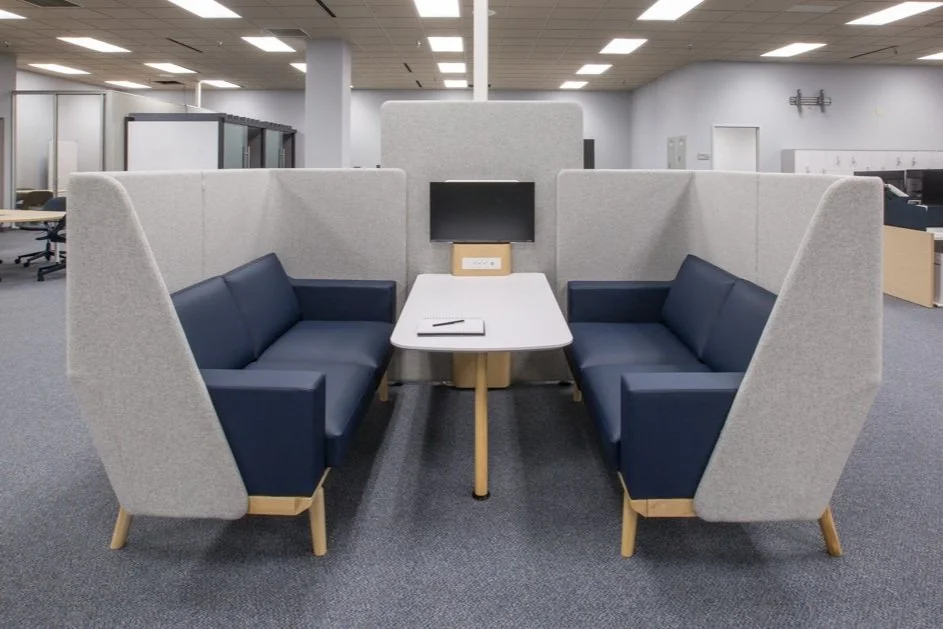
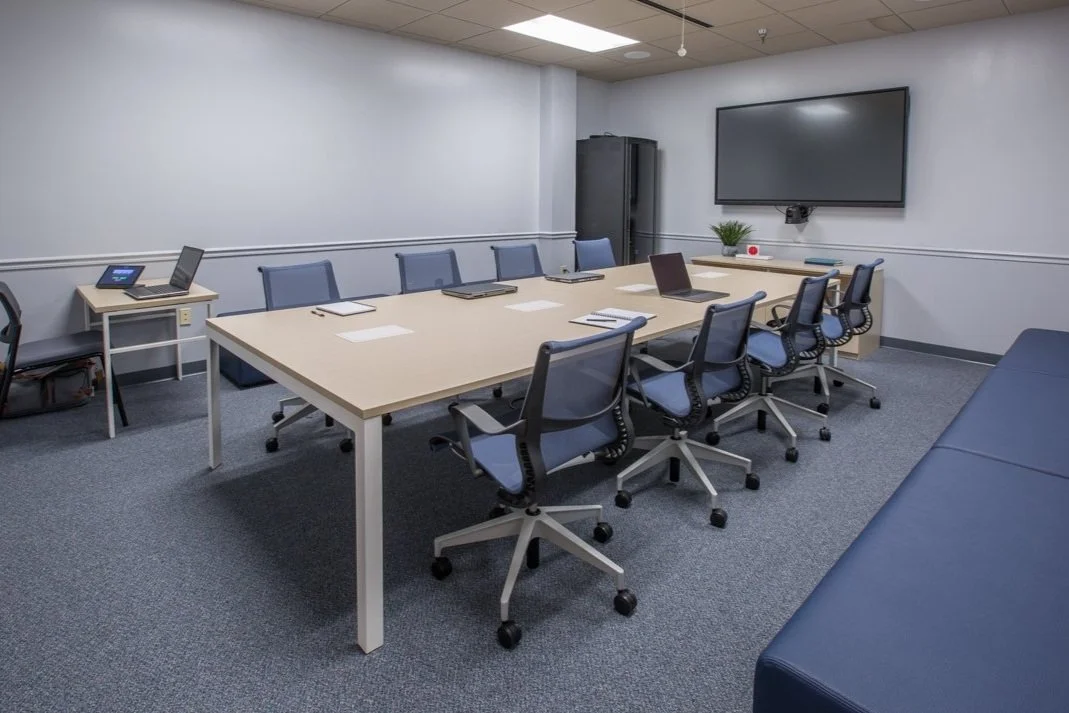
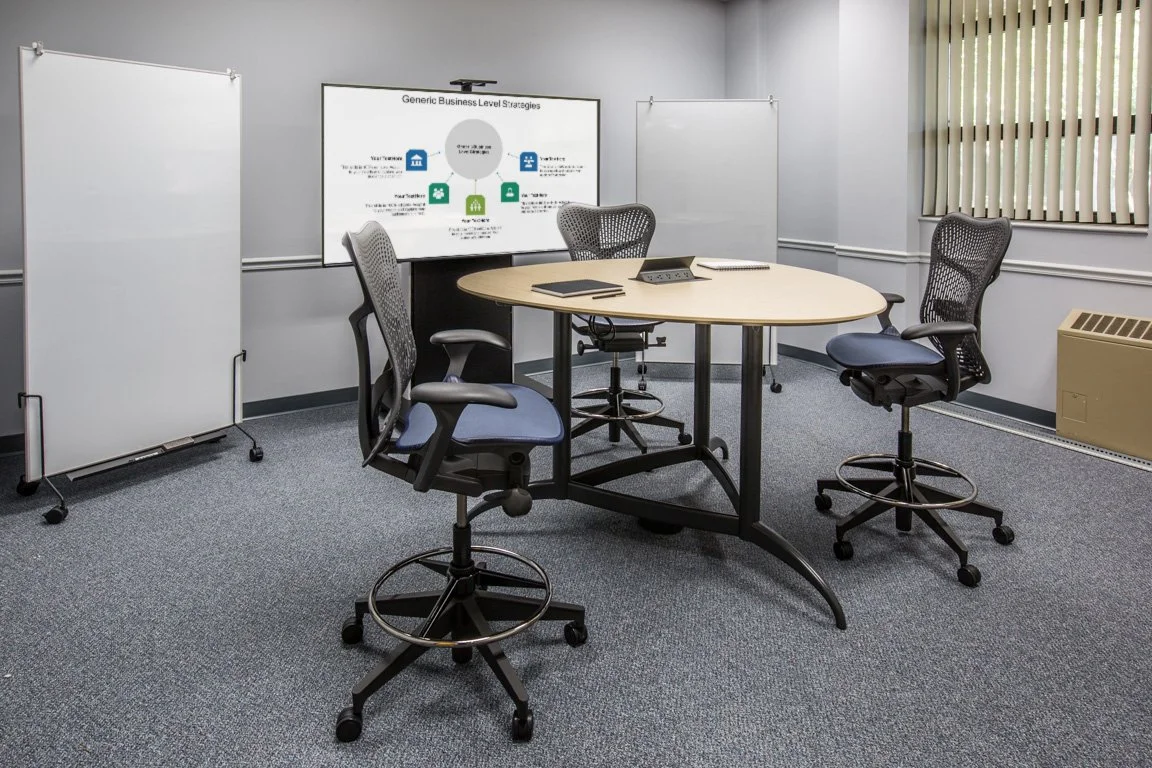
Added collaborative work zones, lounge spaces, focus areas, and private meeting environments
Integrated sound masking, acoustic treatments, and privacy booths to support concentration and confidentiality
Enhanced power infrastructure to support a highly flexible open-plan environment
Created a future-ready workplace designed for adaptability and long-term growth
Completed through a collaborative partnership between Warner Robins, Corporate Environments, Herman Miller, and Flatwater Group.
For years, government workplaces have often been defined as normal cube farms. The leadership team within the Combat Avionics Program Office saw an opportunity to challenge that model and create a workplace better aligned with the evolving needs of a modern workforce. Their vision was ambitious: transform a traditional office environment into a flexible, collaborative destination that would support hybrid work, encourage interaction, improve employee experience, and maximize the use of available space.
The existing concept for the space followed a normal government layout consisting primarily of 6' x 8' cubicles with 65”h panels. The team wanted to accommodate more employees while simultaneously creating more opportunities for teamwork, focus work, and informal interaction. Accomplishing all of this within the realities of government funding cycles, existing building infrastructure, and strict project requirements would require innovative thinking and strong collaboration. To help bring that vision to life, the Warner Robins team partnered with Corporate Environments, supported by MillerKnoll’s Compass Design Tool, Flatwater Group, and our dedicated government team.
Rather than redesigning furniture layouts, Corporate Environments guided the team through a strategic workplace planning process focused on how people would use the space. Using the Compass Design Tool, the team generated and evaluated multiple planning scenarios, dramatically reducing design time while helping the client visualize new possibilities for the workplace. This AI-tool approach allowed the client to make informed decisions and confidently move beyond traditional workplace assumptions.
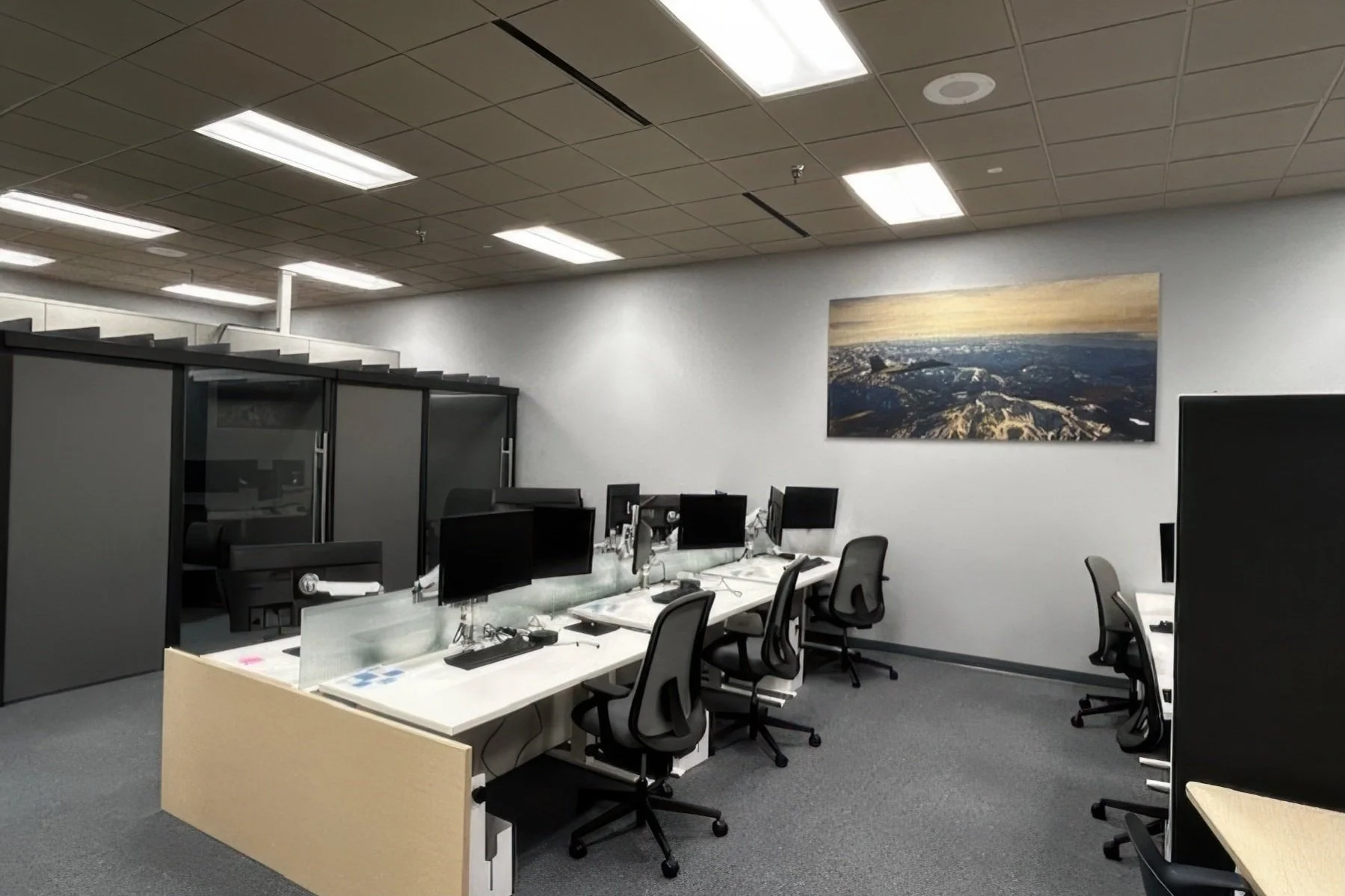
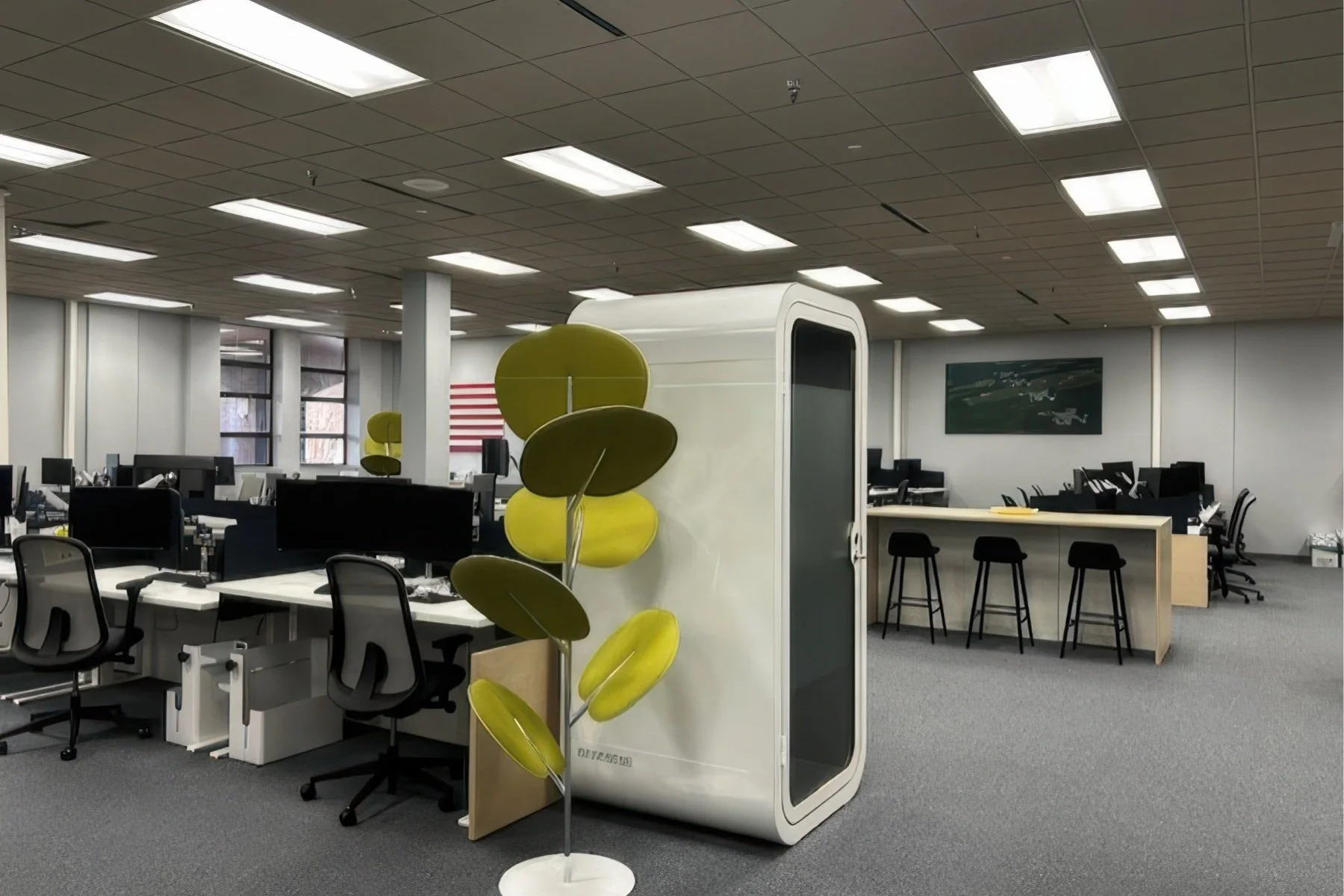
By embracing a free-address workplace strategy, the project increased capacity from approximately 60 workstations to 83 workstations while simultaneously adding a variety of new work settings. Lounge areas, collaborative zones, community tables, dual-purpose office and meeting spaces, focus rooms, private booths, and an enhanced breakroom were incorporated into the final design. Employees gained the flexibility to choose where and how they work throughout the day rather than being tied to a single assigned desk.
Several technical challenges also had to be overcome to make the vision possible.
Power distribution presented a major obstacle due to the existing building structure and block wall construction. Because Corporate Environments served as both furniture provider and electrical subcontractor, the team was able to develop a coordinated solution that expanded electrical infrastructure, added new circuits, and utilized Herman Miller's Logic Reach, a modular power distribution system to efficiently bring power throughout the open floorplate.
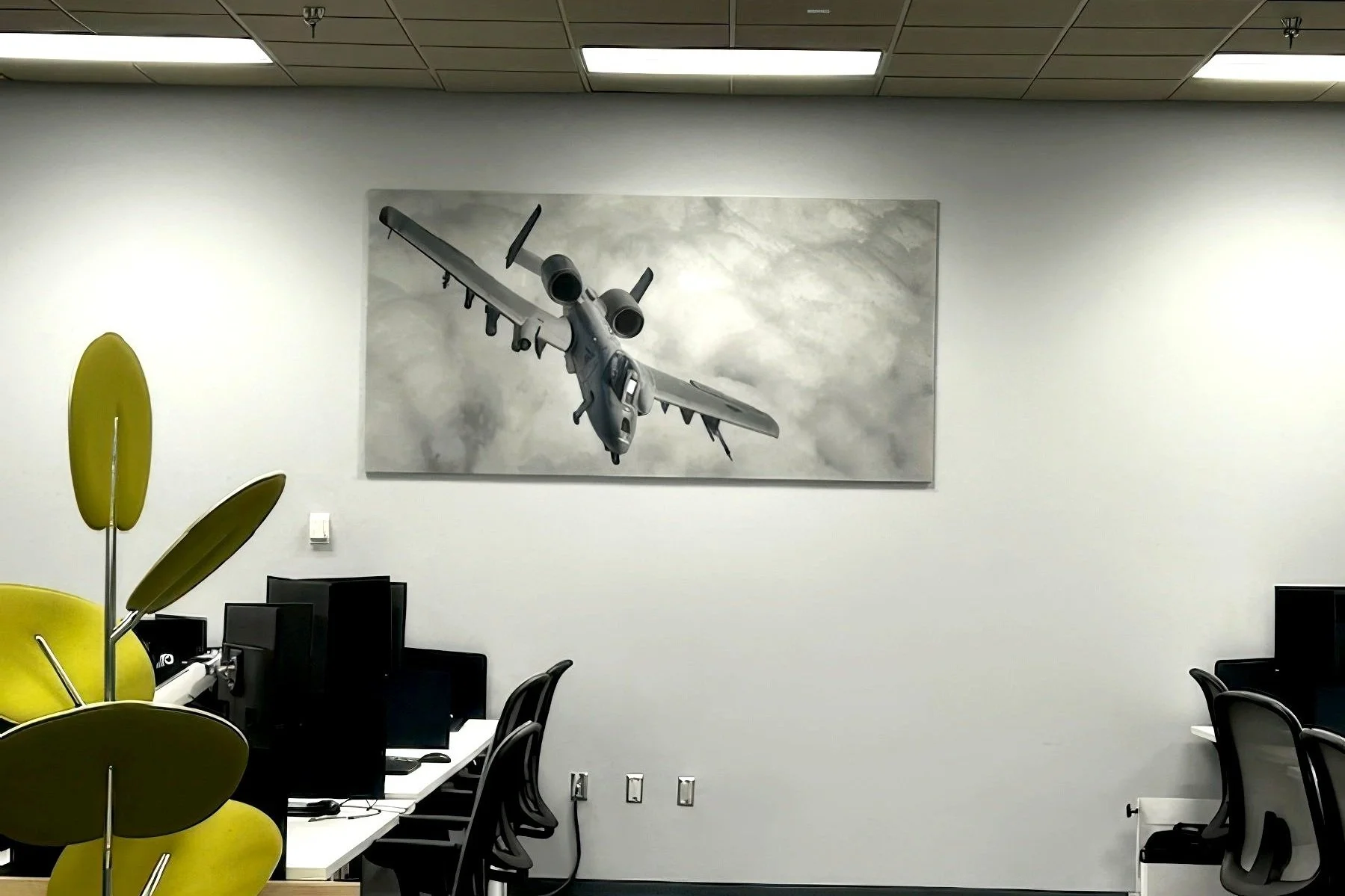
Acoustics represented another critical consideration. The team incorporated Framery privacy booths, sound masking technology, acoustical artwork, and Snowsound acoustic elements to provide employees with comfortable settings for concentrated work, private conversations, and sensitive discussions.
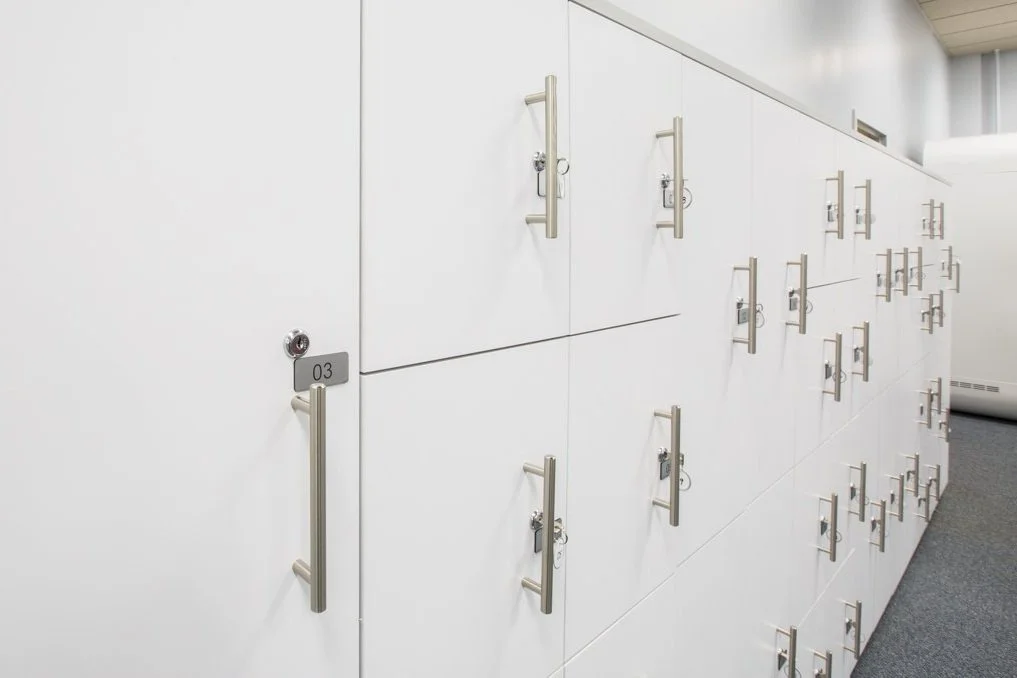
Equally important was ensuring the space could evolve. Mobile meeting tables, movable dividing elements, modular millwork, and flexible workplace settings were intentionally selected to support future reconfiguration as team needs continue to change.
The completed workplace stands as a model for how government organizations can modernize their environments to support changing work styles, improve space utilization, and foster greater collaboration. By embracing a new way of thinking about the workplace and partnering with a team capable of translating vision into reality, the Combat Avionics Program Office successfully created an Office of the Future that is prepared to support its mission for years to come.