
Garey Gomez | gareygomez.com
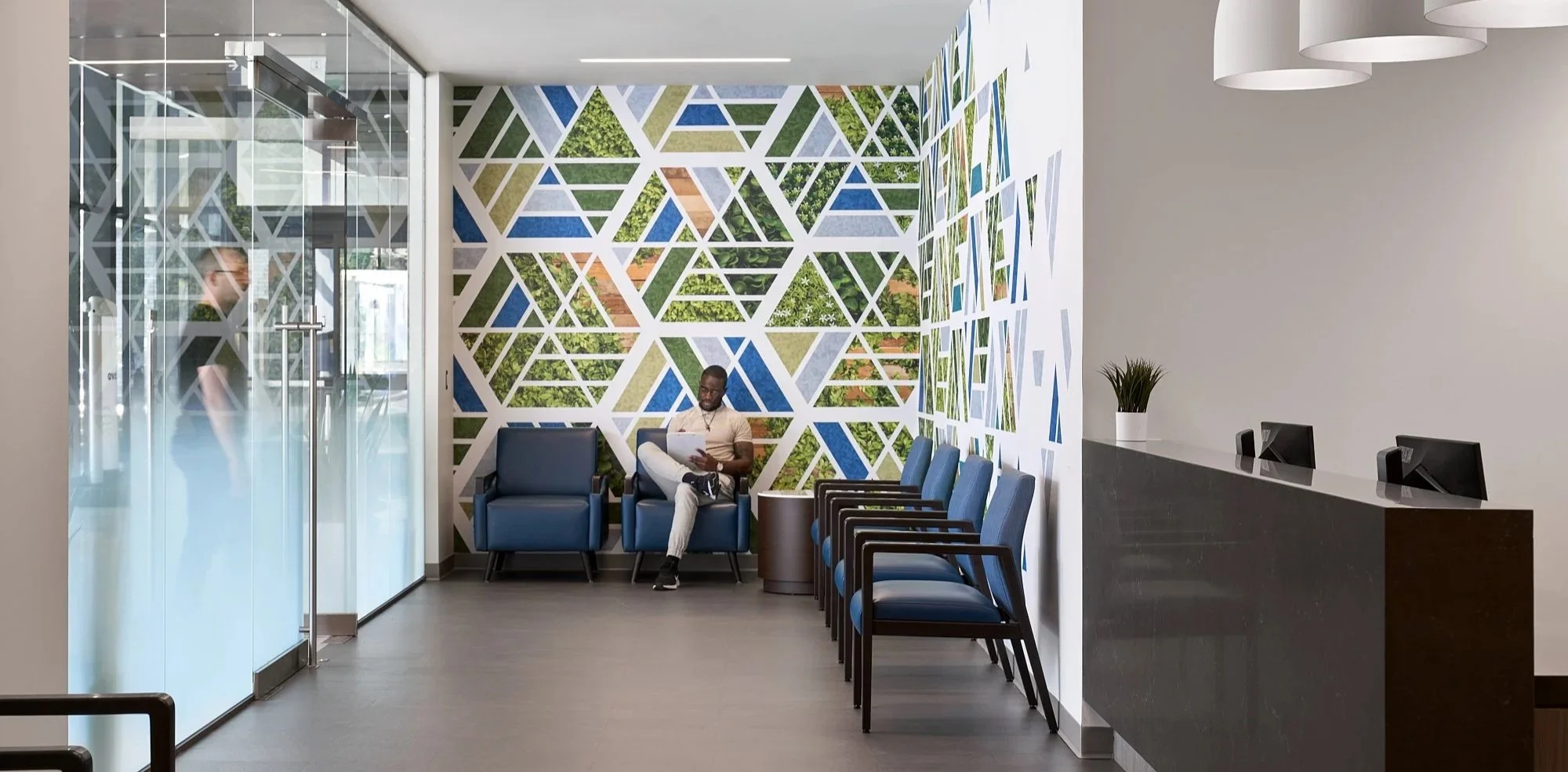
Have you ever found yourself sitting in a cold waiting room, anxiously waiting for your name to be called and wondering what comes next? Whether it’s a routine annual checkup, an unexpected visit to the doctor, or an appointment with a maternal-fetal medicine specialist during a major life moment, healthcare environments can have a powerful impact on how we feel.
For many people, a healthcare visit comes with uncertainty, stress, or even fear. The physical environment surrounding us, from the lighting and furniture to the layout and overall atmosphere, can either add to that anxiety or help create a sense of comfort and reassurance.
Thoughtful healthcare design recognizes that every touchpoint matters. From arrival to discharge, the built environment plays an important role in supporting patients, families, and caregivers while creating spaces that promote healing, efficiency, and connection.
Garey Gomez | gareygomez.com
Creating Comfort from the Moment Patients Arrive
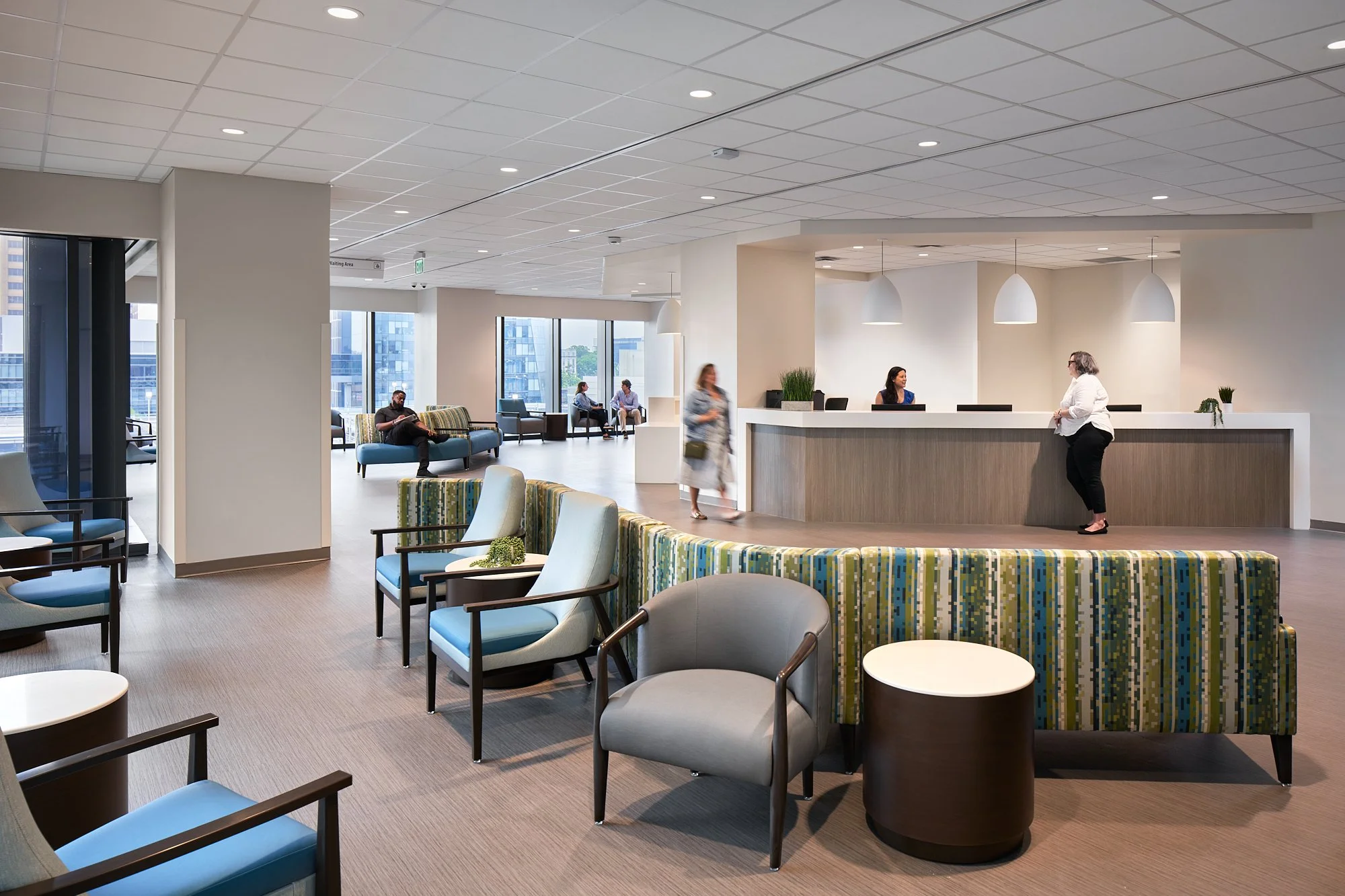
The healthcare experience begins before a patient ever steps into an exam room. A welcoming reception area, intuitive wayfinding, comfortable seating, and calming design elements can help reduce stress and create a more positive first impression.
Design choices such as natural light, warm materials, acoustic solutions, and carefully selected furnishings transform healthcare spaces from sterile environments into places that feel supportive and human-centered. When patients feel comfortable and confident in their surroundings, they are better positioned to engage in their care journey.
Designing Spaces That Support Healing
Healthcare space design should consider the needs of the people who use them most, patients and their families. Patient rooms, waiting areas, and consultation spaces all play a role in creating a sense of privacy, dignity, and comfort.
Thoughtful layouts can provide opportunities for family involvement, encourage rest and recovery, and offer flexibility for different types of care. Small details, such as comfortable seating for loved ones or improved acoustic privacy, can make a meaningful difference during some of life’s most important moments.
Empowering Caregivers Through Better Workspaces
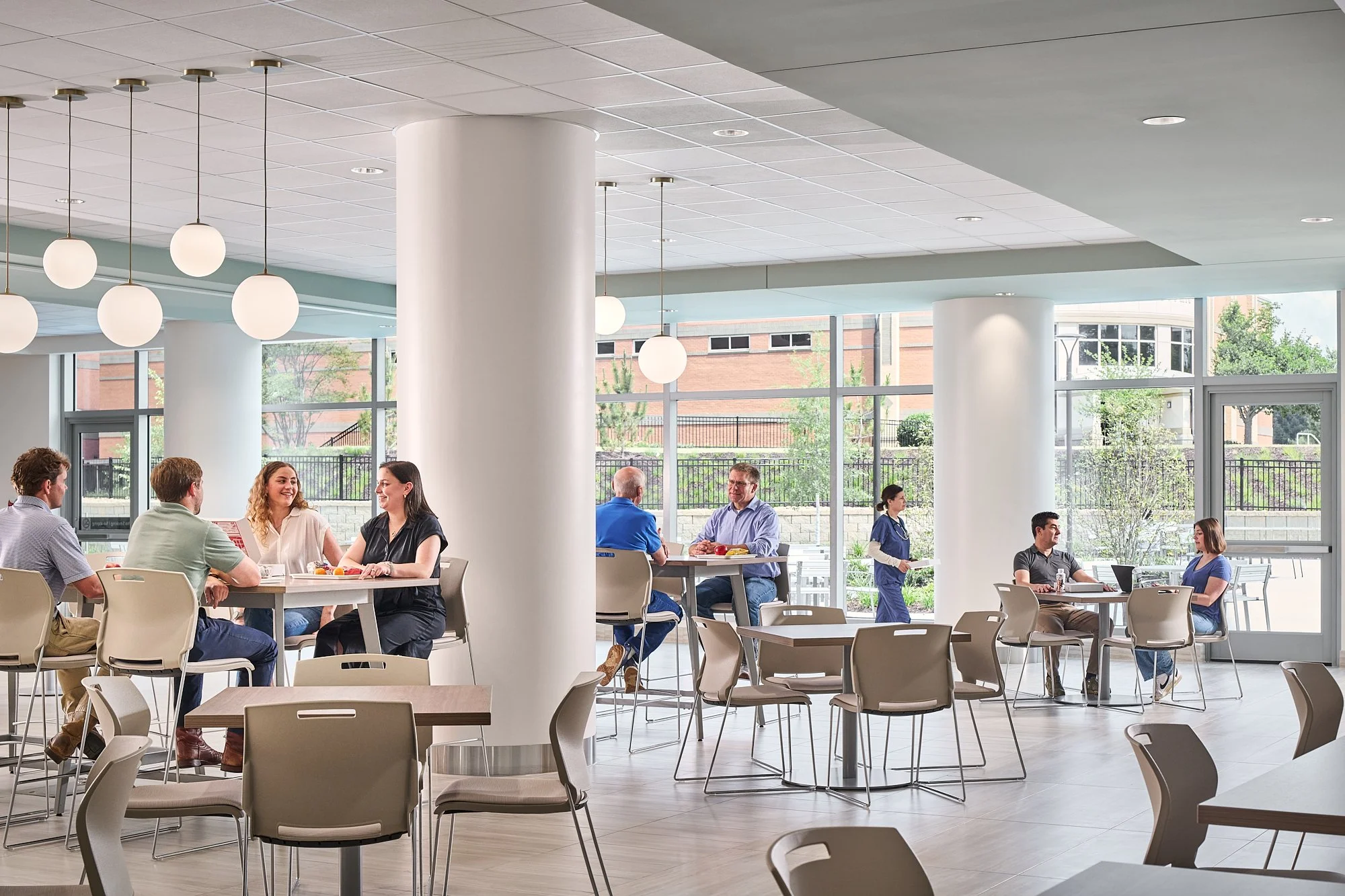
A positive patient experience starts with supporting the healthcare professionals who provide care. Nurses, physicians, and staff navigate demanding environments every day, and their surroundings directly impact efficiency, communication, and well-being.
Well-designed workspaces, collaborative areas, and ergonomic solutions help caregivers stay connected and focused. By considering staff workflows and daily challenges, healthcare design can help reduce obstacles and create environments where teams can do their best work.
Improving Efficiency Through Intentional Design
Healthcare organizations are constantly balancing patient needs, operational goals, and the demand for adaptable spaces. Thoughtful design helps facilities work smarter by improving traffic flow, supporting collaboration, and creating flexible environments that can evolve.
From modular solutions to efficient space planning, intentional design allows healthcare facilities to adapt to changing needs while minimizing disruptions to daily operations.
Building the Future of Healthcare
The future of healthcare is about more than advanced technology and innovative treatments; it’s also about creating environments that support the complete human experience. Spaces that prioritize comfort, flexibility, and connection can help healthcare organizations deliver better experiences for everyone who walks through their doors.
At Corporate Environments, we believe the spaces where care happens matter. By combining thoughtful design with healthcare expertise, we help create environments that support healing, improve workflows, and make every interaction feel a little more human.