Designing for What Comes Next: How Higher Education Campuses Prepare for a New School Year
In education, summer represents a pivotal transition period. While campuses may appear quiet, it is during these months that some of the most important planning and execution work takes place. With most students away and academic schedules semi-paused, institutions focus on preparing environments that will impact learning, engagement, and campus life in the year ahead.
Summer requires a high level of coordination, along with careful alignment between design intent, procurement, and installation. The decisions made during this period shape how effectively campuses will function when students return in the fall.
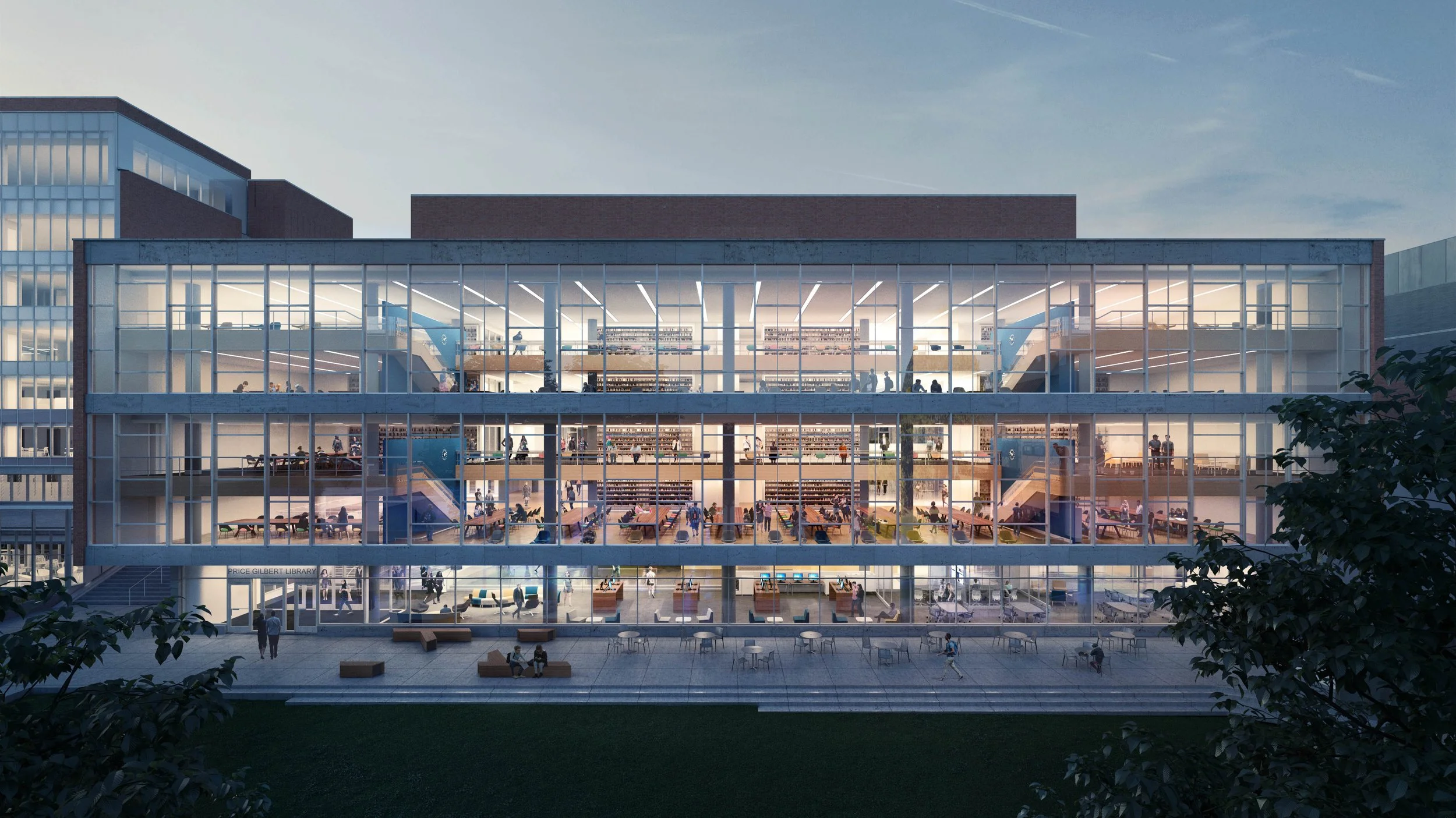
Designing Spaces That Support Modern Learning
Today’s higher education environments are no longer defined by traditional lecture-based layouts. Institutions are continuing to invest in flexible, student-centered environments that support multiple modes of learning.
Flexibility and adaptability: Spaces must support lectures, group collaboration, independent study, and hybrid learning without requiring full reconfiguration or disruption.
Durability and lifecycle performance: High-traffic academic environments demand furniture and finishes that maintain performance over years of continuous use.
Technology integration: Power access, connectivity, and device-friendly layouts are now essential components of every learning space.
The Evolving Role of Student Spaces
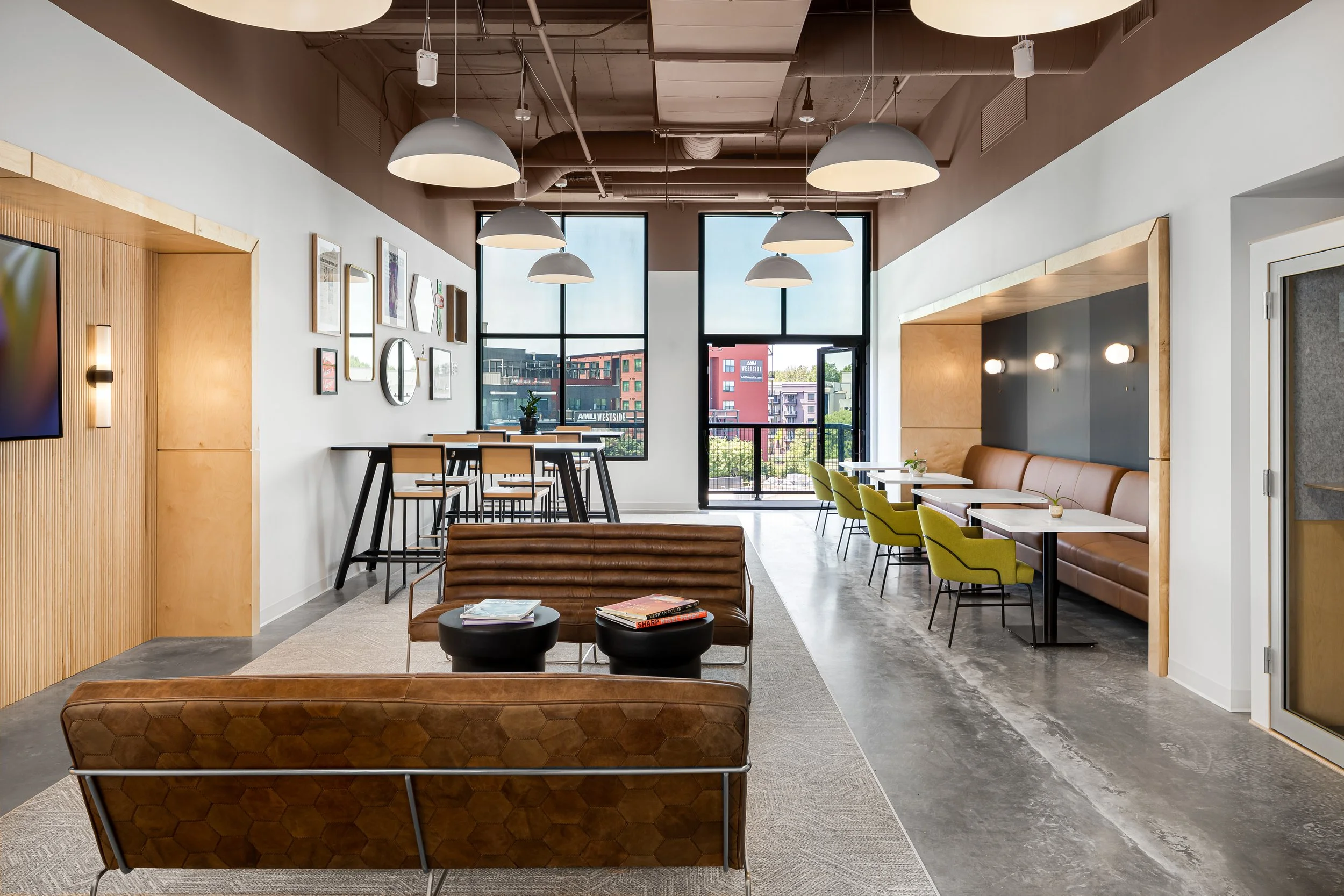
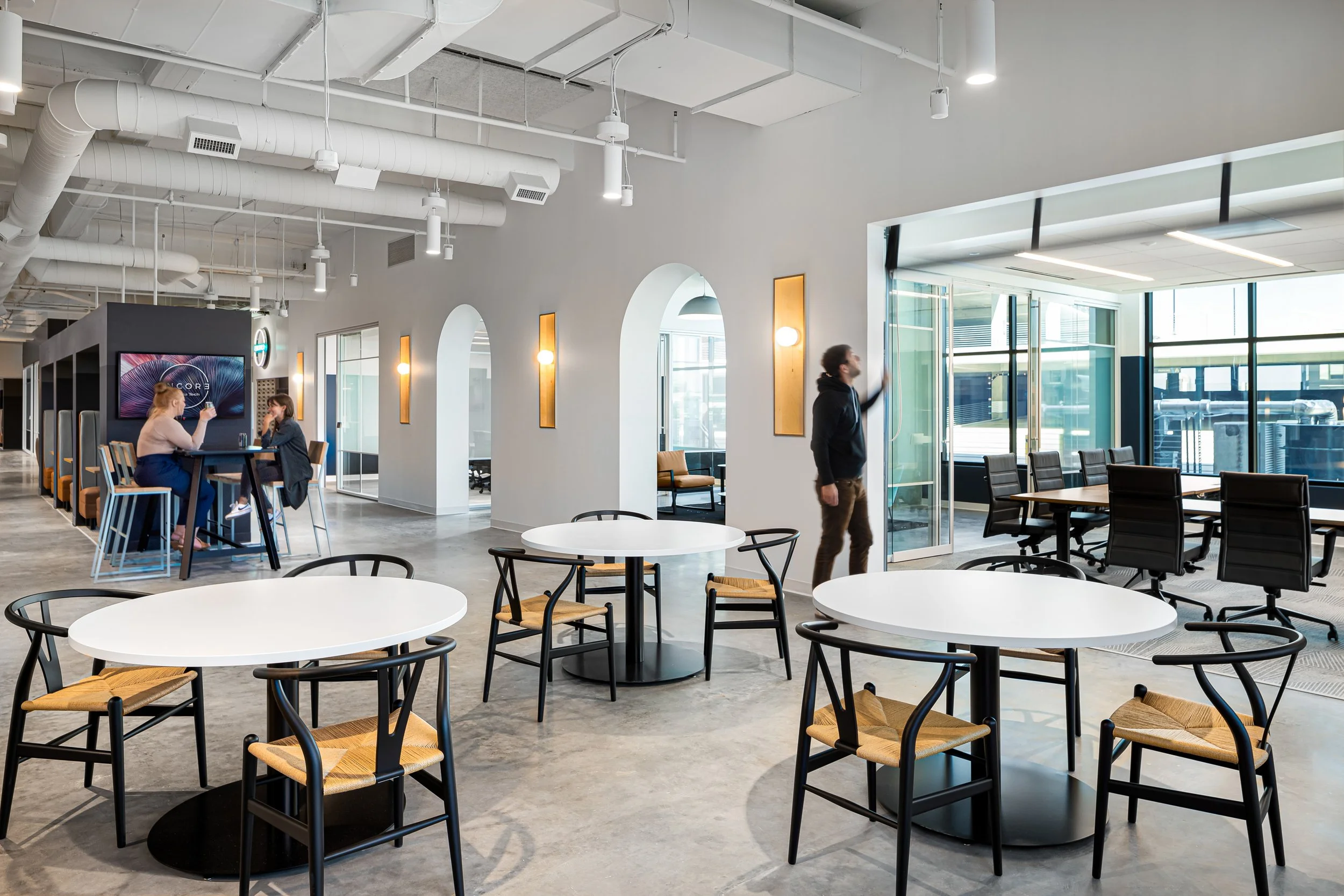
Beyond classrooms, student life spaces have become central to recruitment, retention, and campus engagement. Student lounges, and study environments are increasingly designed as destinations rather than pass-through areas.

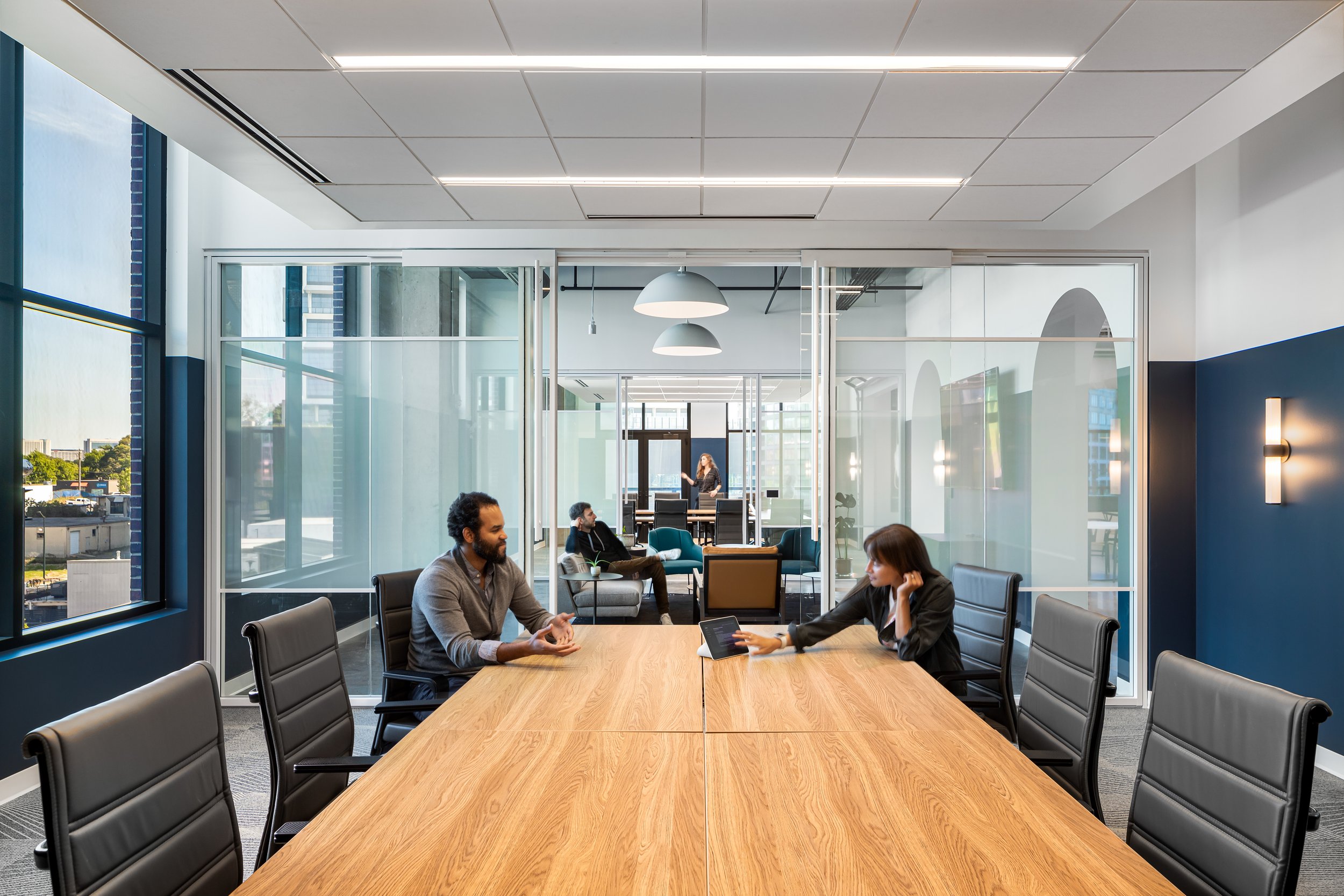
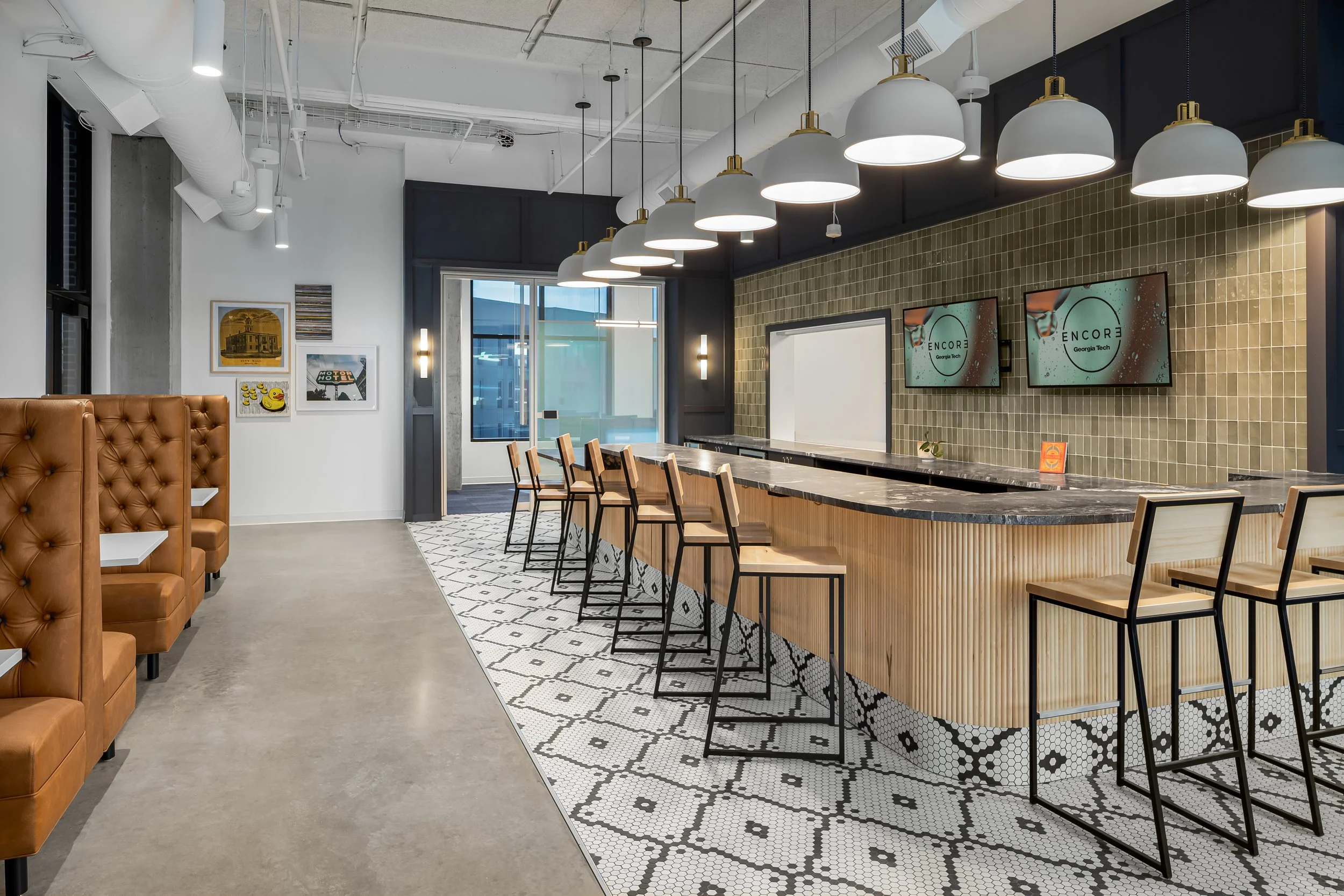
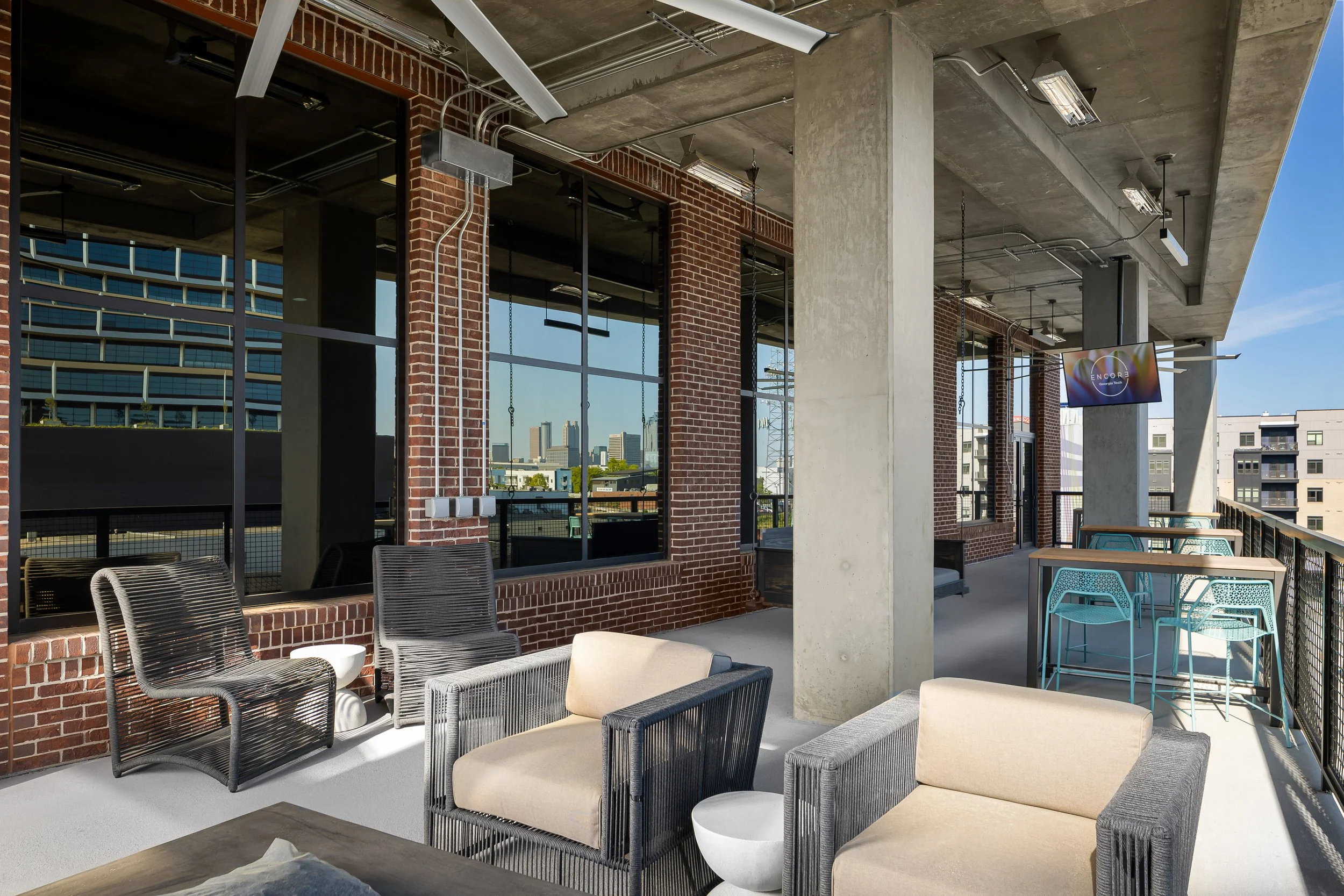
Photography by: Katie Bricker Photography
These spaces often emphasize:
Comfortable, hospitality-inspired furnishings.
Configurations that support both social interaction and individual focus.
Inclusive design that accommodates a range of user needs.
High durability paired with aesthetic appeal.
As student expectations continue to evolve, these environments play a critical role in shaping the overall campus experience. While summer may appear to offer flexibility, it is often the most logistically complex period for higher education projects.
Successful outcomes depend on:
Early space planning
Clear specification and approval processes
Reliable lead time management
Coordinated installation scheduling across active campuses
Even minor delays in the early stages can significantly impact move-in readiness for the fall semester. Higher education institutions continue to take a more strategic approach to space planning, focusing on long-term adaptability rather than short-term fixes. Furniture and interior investments are increasingly evaluated based on:
Lifecycle cost and durability
Flexibility to support future academic models
Sustainability and material transparency
Ability to evolve with changing enrollment patterns and pedagogy
This shift reflects a broader understanding that campus environments are not static, they must continuously adapt to support student success. Now is the time for higher education leaders to evaluate whether their environments are truly on track for fall readiness. From classroom functionality to student life spaces, the most successful projects are those proactively aligned long before move-in deadlines.
Corporate Environments partners with educational institutions to support this critical phase, helping to ensure spaces are not only delivered on time but also designed to perform from day one of the academic year and beyond.
Start your journey today: Contact our dedicated education team.