Designed to Adapt: 5 Workplace Trends Shaping 2027
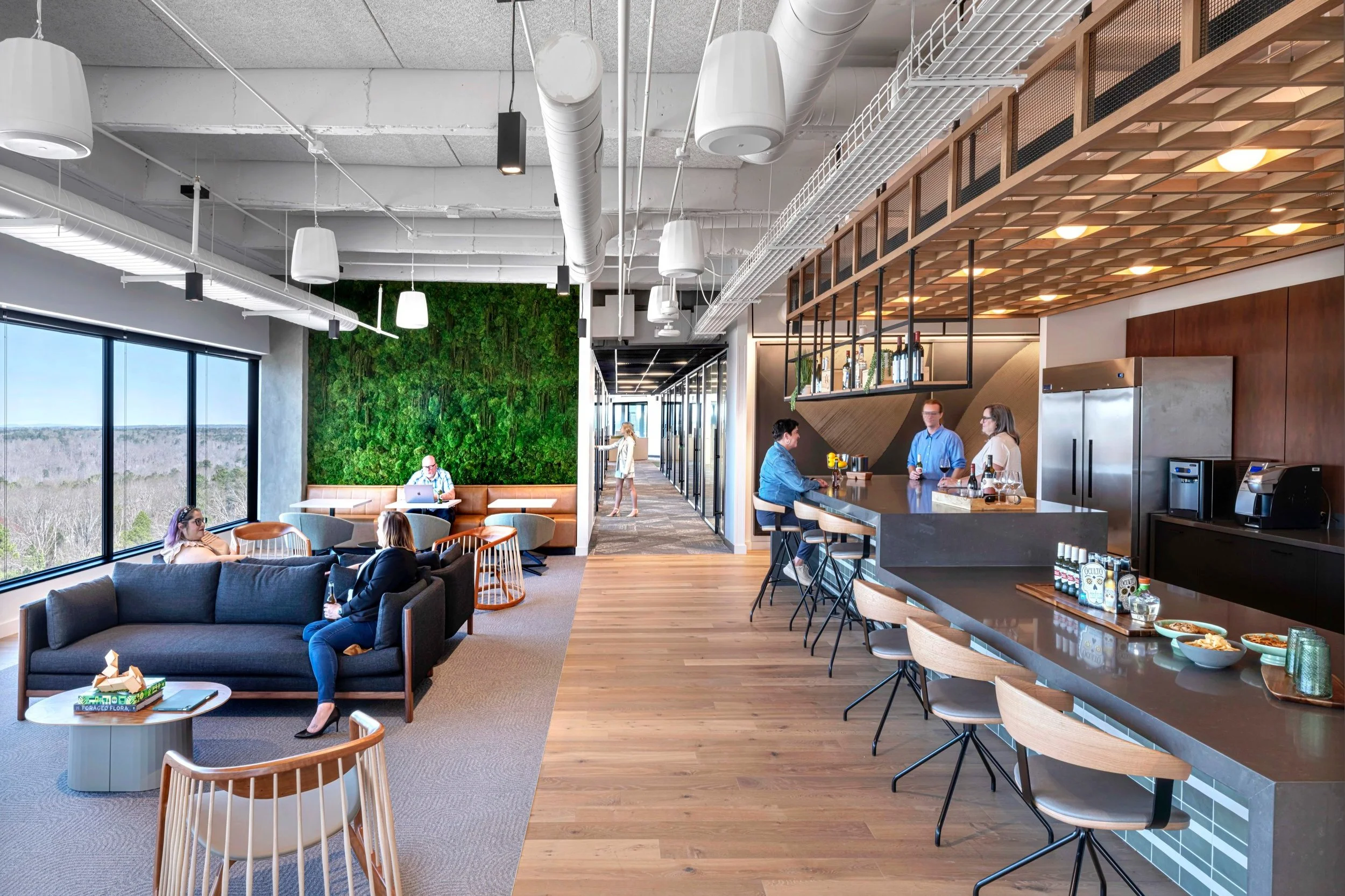
The workplace has spent the last few years trying to answer a deceptively simple question: What does the office need to be now?
The answer keeps changing.
In 2026, some of the disruption that followed the pandemic began to settle into a new normal. According to Gensler’s Global Workplace Survey 2026, the way and where people work has remained relatively consistent over the past three years. But there’s an important disconnect: the workplace itself hasn’t always kept upwith the way people are working.
Two-thirds of employees surveyed said they have adapted their own workspaces to address issues such as ergonomics, privacy, noise, and meeting-space availability.
That should get the attention of anyone responsible for a workplace.
When employees are rearranging furniture, searching for quieter corners, struggling to find a place for focused work, or adapting their surroundings just to get through the day, they’re telling us something:the workplace isn’t adapting fast enough.
And that may be the defining workplace design story of 2027.
The most successful workplaces won’t necessarily have the newest technology, the most impressive amenities, or the trendiest aesthetic. They’ll be designed to change with the people and work happening inside them.
Because adaptability isn’t just a design strategy. It can influence productivity, shape workplace culture, and ultimately affect whether people want to stay.
Here are five trends that will help define that shift.

1. Flexible Spaces Will Have to Work Harder
Flexibility has been part of workplace conversations for years. But simply replacing assigned desks with unassigned ones doesn’t make a workplace flexible.
True flexibility means a space can support different people, different activities, and different needs—sometimes within the same day.
A project area might host a small team in the morning, become a larger client meeting space in the afternoon, and support training later in the week. Modular furniture, movable partitions, mobile storage, and flexible power make those transitions possible without requiring a construction project every time the business changes.
Why it matters
A workplace that can’t adapt can quietly become a productivity drain. Employees spend time looking for meeting rooms, rearranging furniture, competing for quiet space, or working around environments that weren’t designed for what they actually need to accomplish.
The opposite is also true. When employees have meaningful choices about where and how they work, the workplace can better support focus, collaboration, connection, and creativity.
Ignore flexibility, and employees adapt themselves to the space. Embrace it, and the space adapts to them.
That distinction can have a meaningful impact on both productivity and culture.
2. Wellness Becomes Part of the Everyday Experience
Wellness in the workplace used to mean a fitness room, a wellness program, or perhaps a dedicated meditation space.
Today, it’s much more fundamental.
Natural light. Access to nature. Ergonomic workstations. Comfortable furniture. Better acoustics. Quiet areas. Spaces where employees can step away from their screens or change their posture throughout the day.
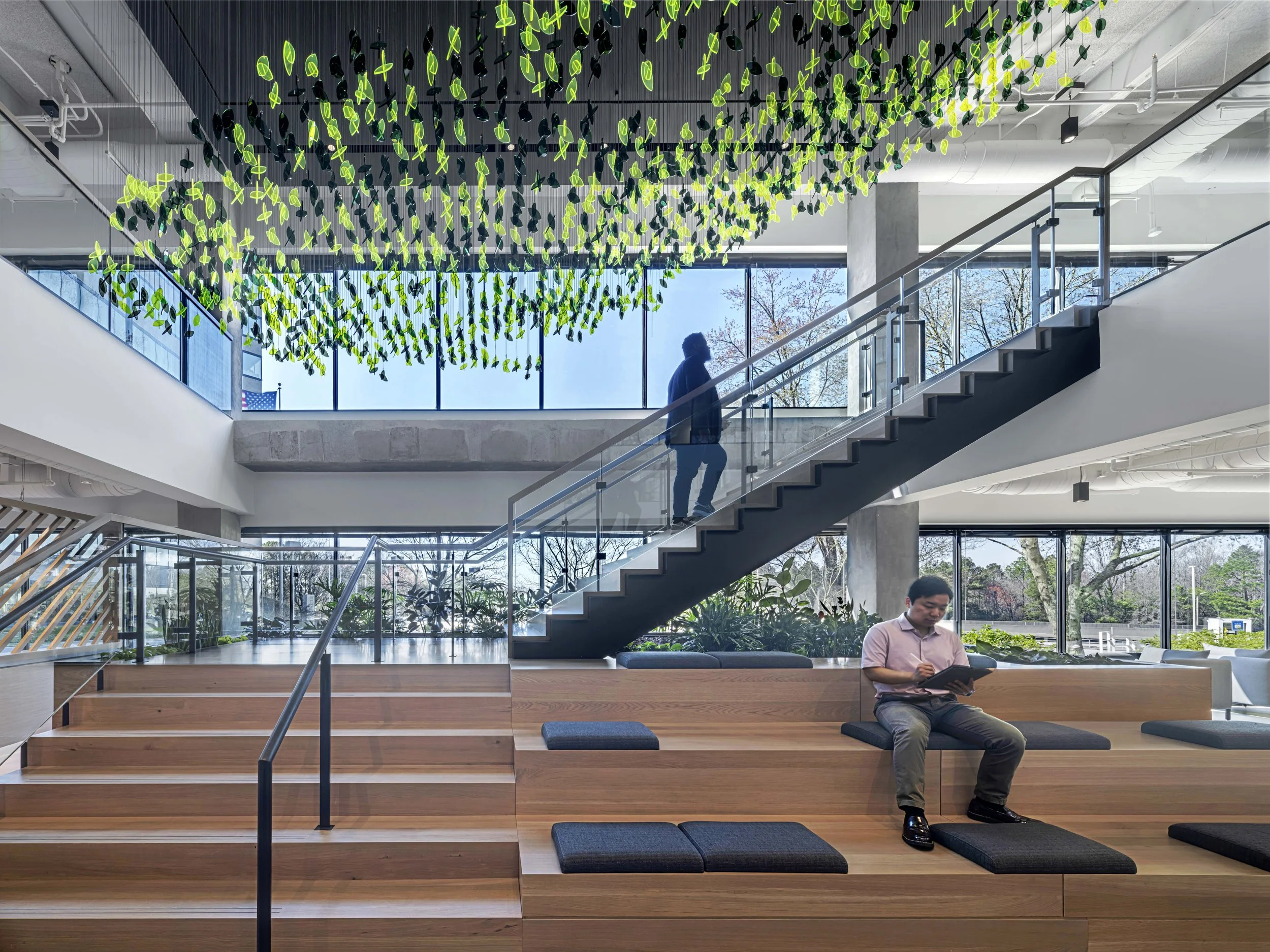
These aren’t luxuries. They influence how people experience work.
The strongest wellness strategies are becoming less about creating a single “wellness space” and more about creating a workplace that feels better to spend time in.
Why it matters
Employees notice when their environment makes work unnecessarily difficult or uncomfortable. Persistent noise, poor ergonomics, inadequate privacy, and a lack of places to recharge can contribute to frustration and fatigue.
And those experiences accumulate.
A workplace that consistently supports people's physical and mental well-being sends a very different cultural message than one that treats employee comfort as an afterthought.
For companies competing to attract and retain talent, that message matters.
The workplace is one of the clearest physical expressions of how an organization values its people.
3. Sustainability Means Reusing More—and Starting Over Less
Sustainable design is evolving beyond simply selecting environmentally responsible products. Increasingly, it’s about asking a more practical question:
How long can we keep what we already have working for us?
Businesses change. Teams grow. Departments move. Hybrid work changes space requirements. Companies consolidate or expand.
If every change requires tearing out a workplace and starting again, the financial and environmental costs add up quickly.
Modular systems can be reconfigured, expanded, repaired, refinished, and relocated. Furniture can move with the organization rather than becoming obsolete every time the organization changes.
Why it matters
Adaptability can protect more than the environment—it can protect the investment a company has already made in its workplace.
It can reduce waste, extend product lifecycles, and give organizations more options when their needs change.
There’s also a cultural benefit. Employees increasingly expect the organizations they work for to demonstrate responsible decision-making, not simply talk about sustainability.
The most sustainable workplace may be the one that doesn’t need to be replaced every few years.
Designing for change from the beginning makes sustainability part of the business strategy rather than an afterthought
4. Technology Fades Into the Background
Artificial intelligence, virtual collaboration, and emerging workplace technologies are changing how work gets done. But the best workplace technology may be the technology employees barely notice.
Power where it’s needed. Seamless connectivity. Integrated cable management. Mobile displays. Technology-ready tables. Spaces that transition easily between in-person and virtual collaboration.
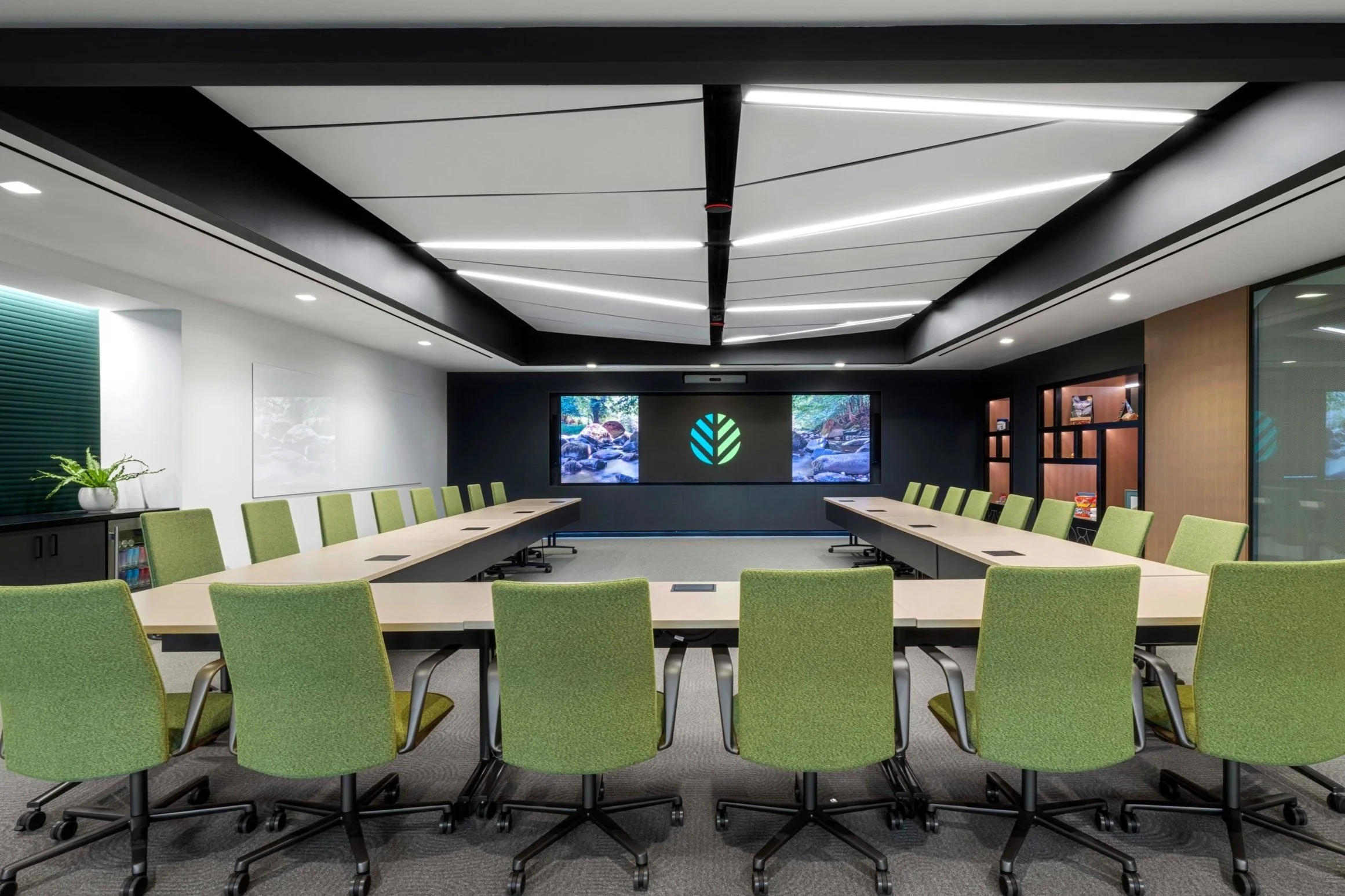
The goal isn’t to make the workplace look more technological.
It’s to remove friction from the work itself.
Why it matters
Technology that gets in the way can be just as frustrating as technology that’s missing.
When employees have to hunt for outlets, struggle with video conferencing, or rearrange a room every time a virtual participant joins a meeting, valuable time and attention are lost.
More importantly, poor technology integration can create a disconnect between the way a company expects people to work and the environment it provides for them.
The technology will continue to change. That means organizations shouldn’t design around a specific device or platform—they should create the infrastructure to support whatever comes next.
The smartest workplace technology isn’t necessarily the most visible. It’s the technology that lets people focus on the work instead of the technology.
5. Furniture Becomes Infrastructure for Change
For years, furniture was often treated as the final layer of workplace design.
Increasingly, it needs to be part of the strategy from the beginning.
A flexible floor plan is only as flexible as the furniture within it. Modular and mobile pieces can allow teams to resize spaces, change configurations, and give a room multiple purposes. Ergonomic solutions can support different people and work styles. Durable and repairable products can stay in use longer.
In other words, furniture isn’t simply what fills the space.
It’s part of what allows the space to evolve.
Why it matters
Remember that statistic from Gensler’s survey: two-thirds of employees said they had adapted their own workspaces to solve problems with ergonomics, privacy, noise, and meeting space.
That’s employee ingenuity—but it’s also a warning.
When people are constantly compensating for the limitations of their environment, the organization is leaving the workplace to solve problems it could have addressed through design.
The opportunity is to build adaptability into the workplace from the beginning.
Give employees choice. Give teams flexibility. Give the organization the ability to change without starting over.
Because when the workplace can evolve, people spend less energy adapting to the environment and more energy doing their best work.
Built for Change
There probably won’t be one defining “office look” in 2027.
And that’s a good thing.
The future of workplace design isn’t about finding one perfect configuration. It’s about creating environments that can respond to changing business needs, evolving technology, shifting employee expectations, and different ways of working.
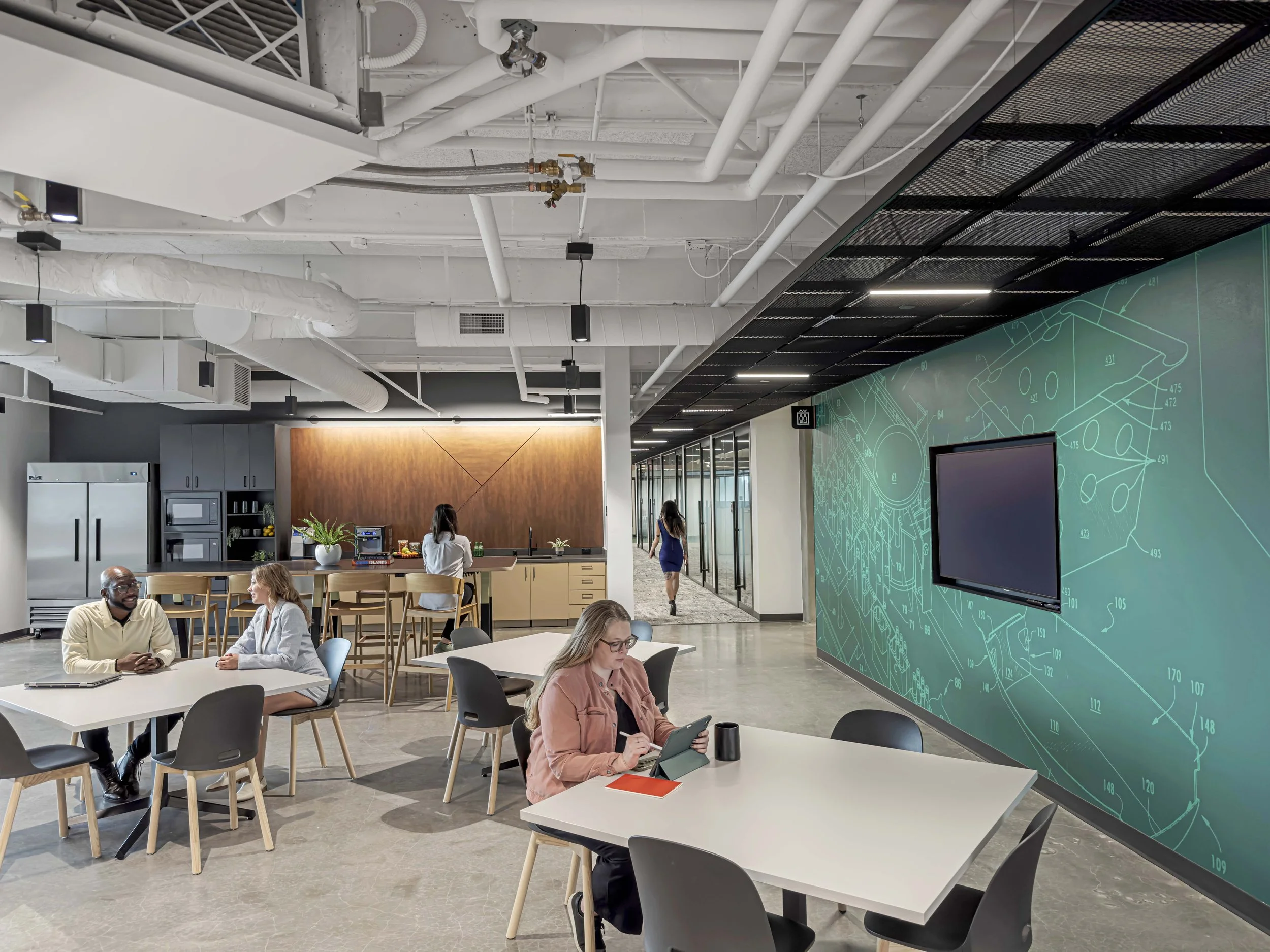
The organizations that embrace that mindset can gain more than a flexible floor plan. They can create workplaces that support productivity, reinforce culture, demonstrate their commitment to employee well-being, and give people more reasons to want to be there.
The organizations that ignore it risk something else.
A workplace that feels outdated before the furniture is.
Because employees don’t just experience the workplace—they experience your organization through it.
So don’t design for one version of the future. Design a workplace that can change with it.
If your workplace needs to evolve with your people, your business, and what comes next, let’s talk about what that could look like.