
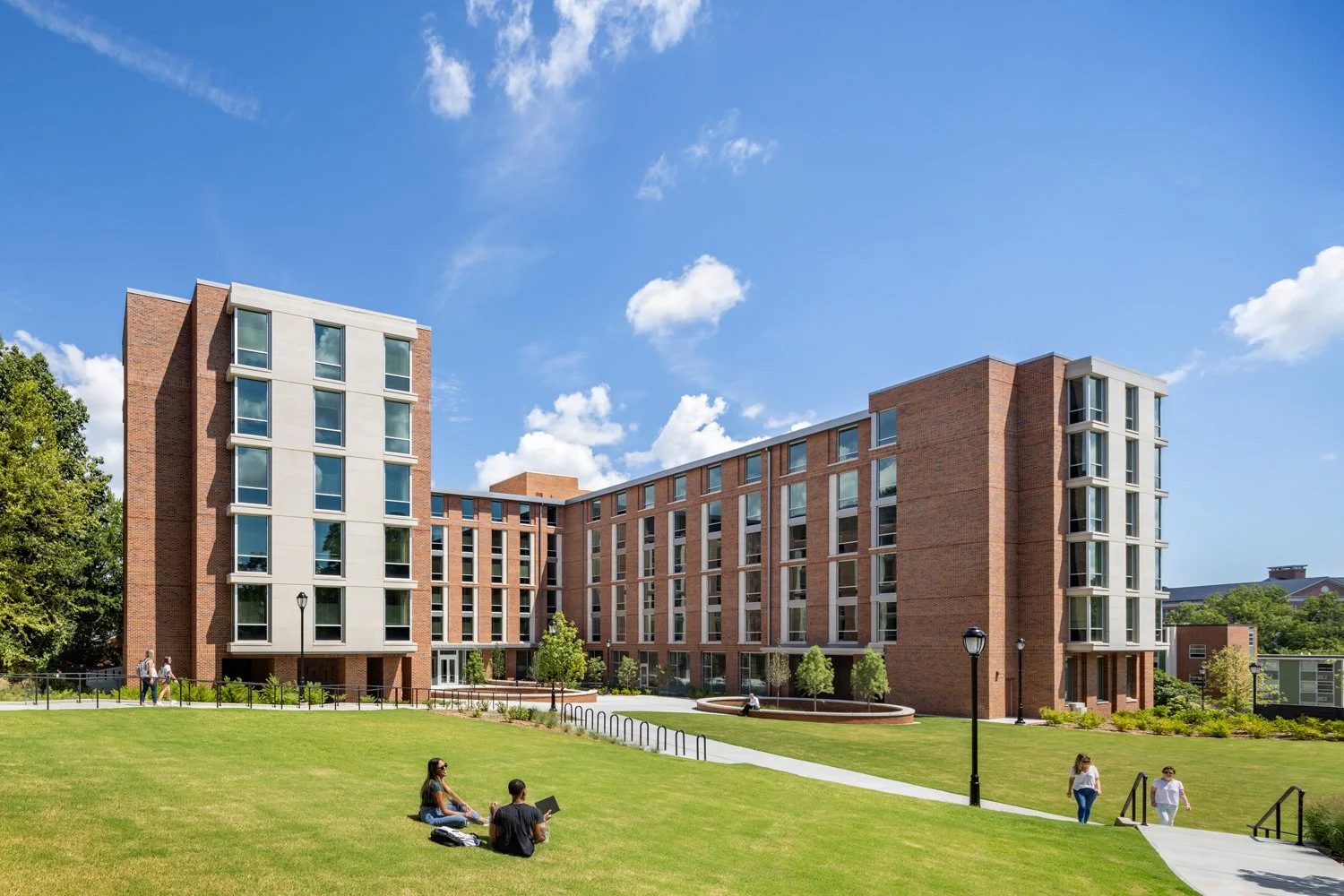
UNIVERSITY OF GEORGIA:
BLACK-DIALLO-MILLER DORM
Black-Diallo Miller Hall: A Residence Hall Designed to Shape the Student Experience
When the University of Georgia set out to create Black-Diallo Miller Hall, the institution wasn't simply constructing another residence hall—it was investing in the future of student success. As the university's first newly constructed residence hall since 2013, the project represented a significant milestone in UGA's commitment to creating an engaging and supportive environment for first-year students.
Dedicated to honoring Charlayne Hunter-Gault, Hamilton Holmes, and Mary Frances Early—the first African American students to enroll and graduate from UGA—Black-Diallo Miller Hall was envisioned as a place where students could build connections, collaborate, and thrive from their very first day on campus.
Year: 2022 | Location: Atlanta | Partners: Beck Group & RAMSA
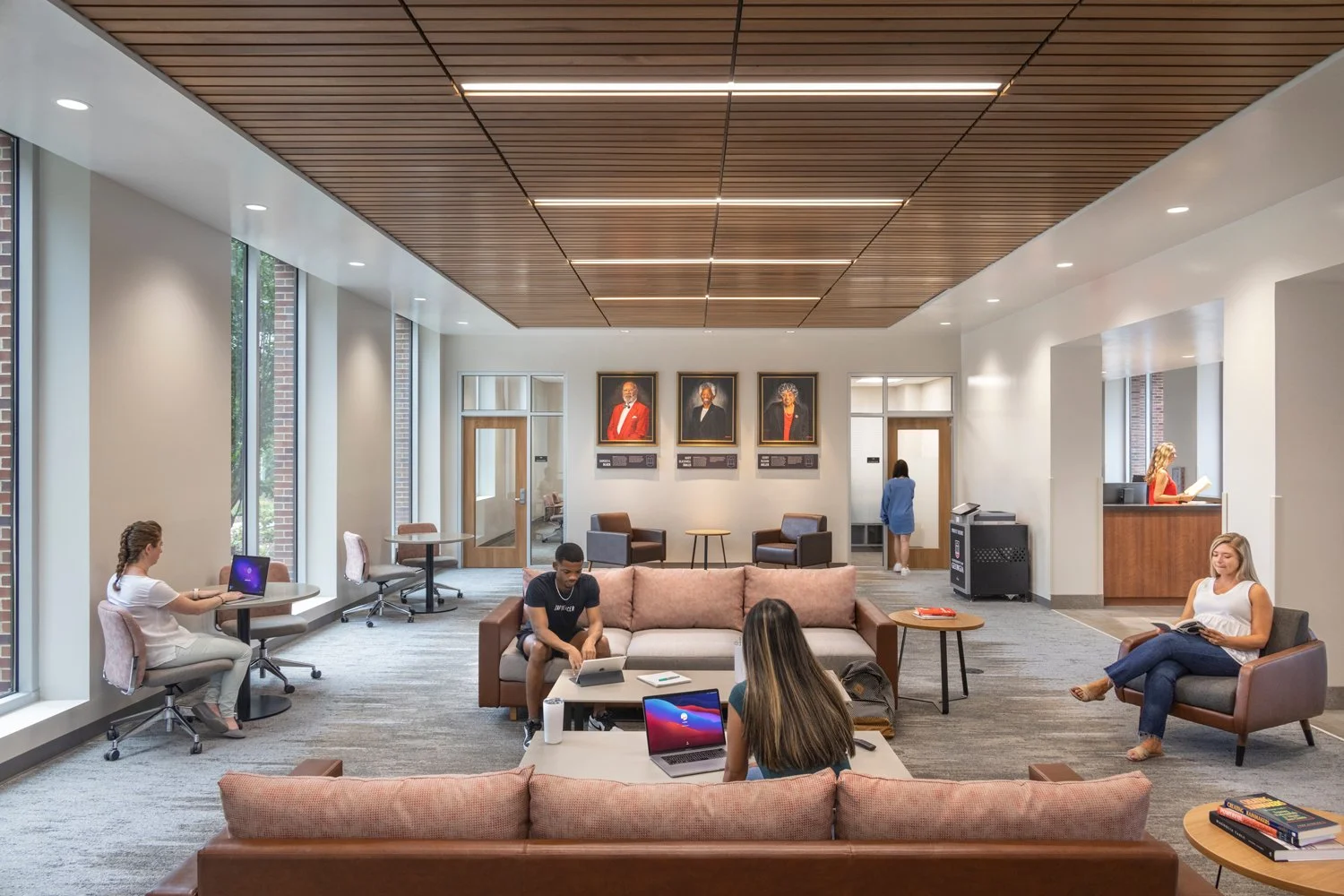
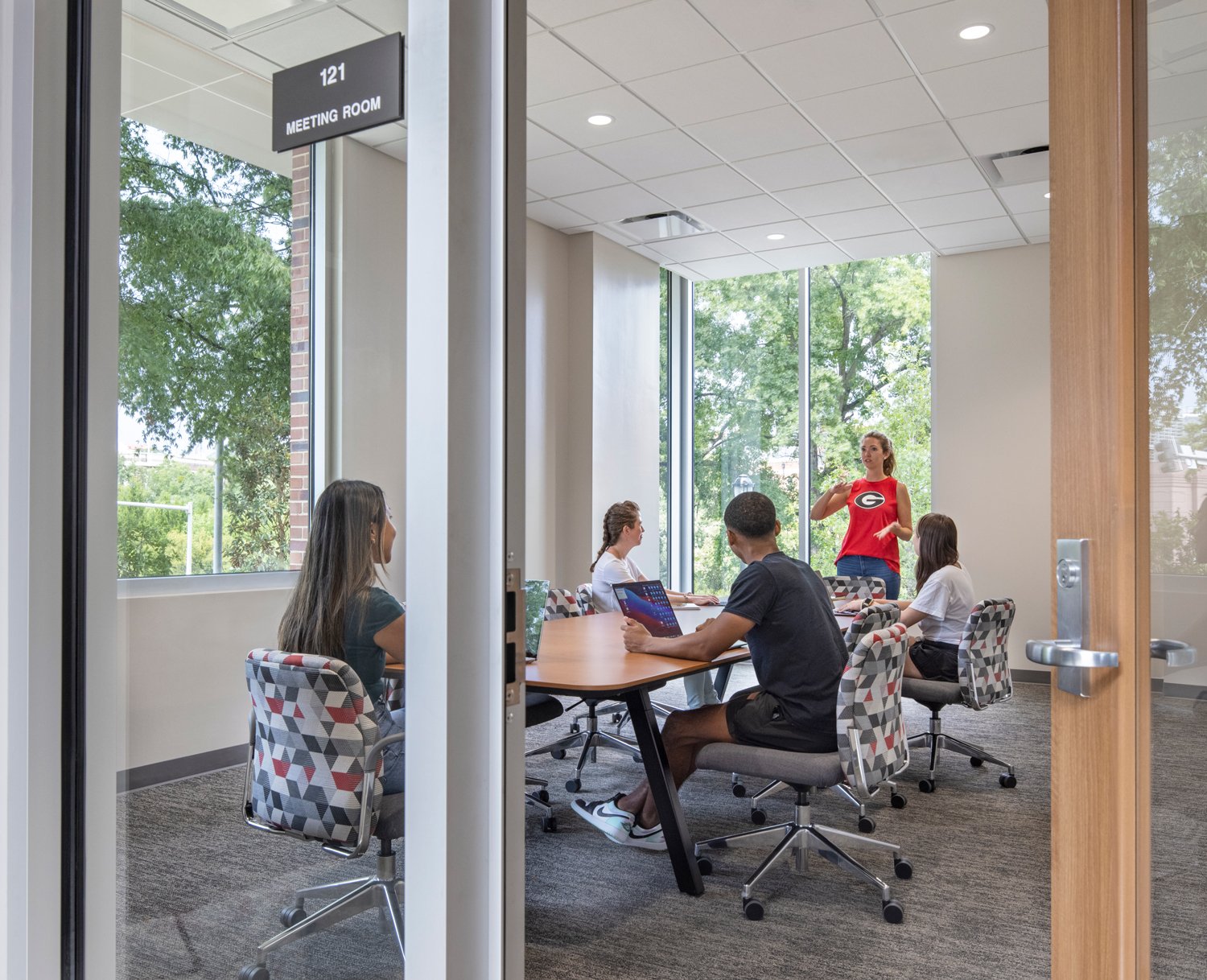
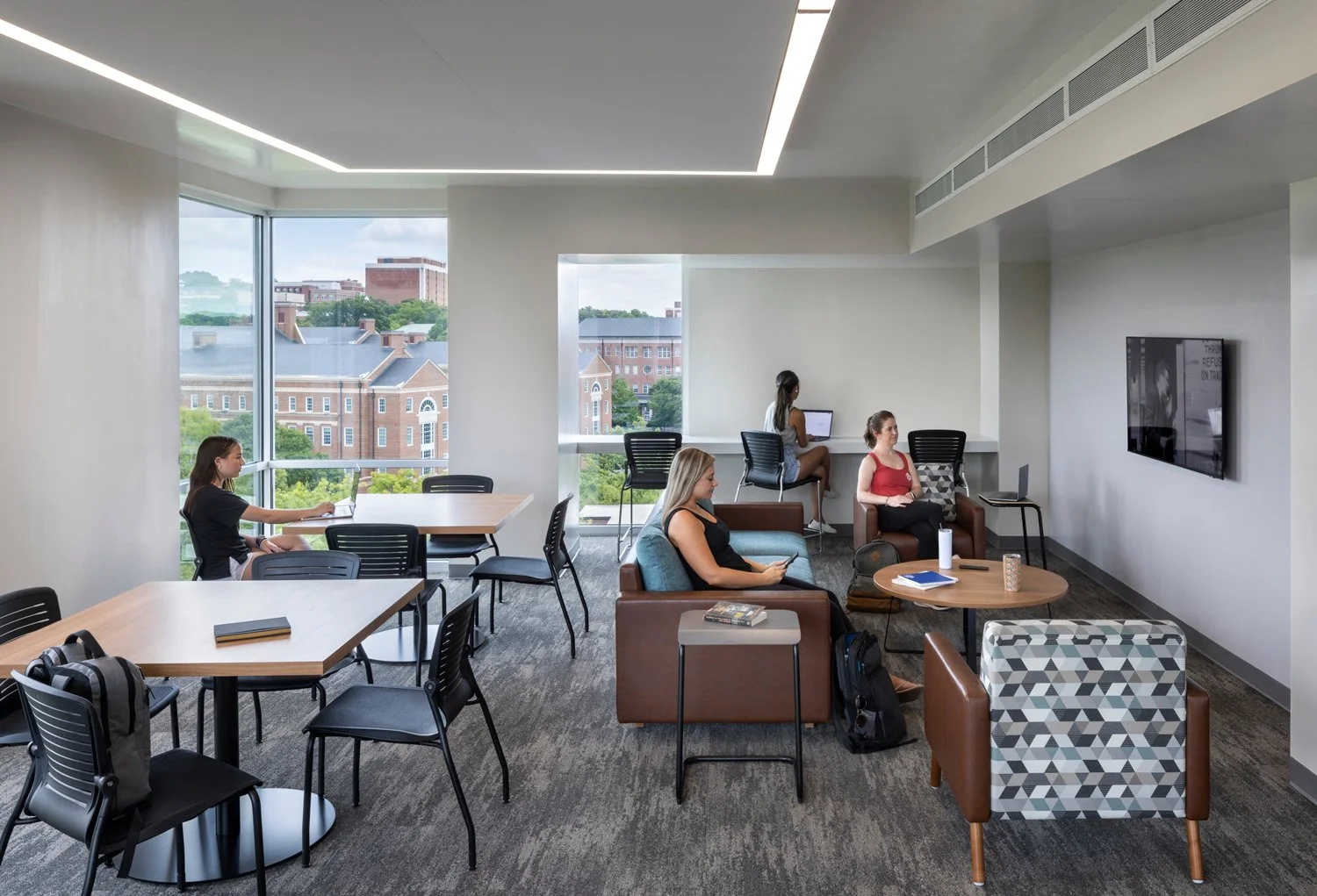
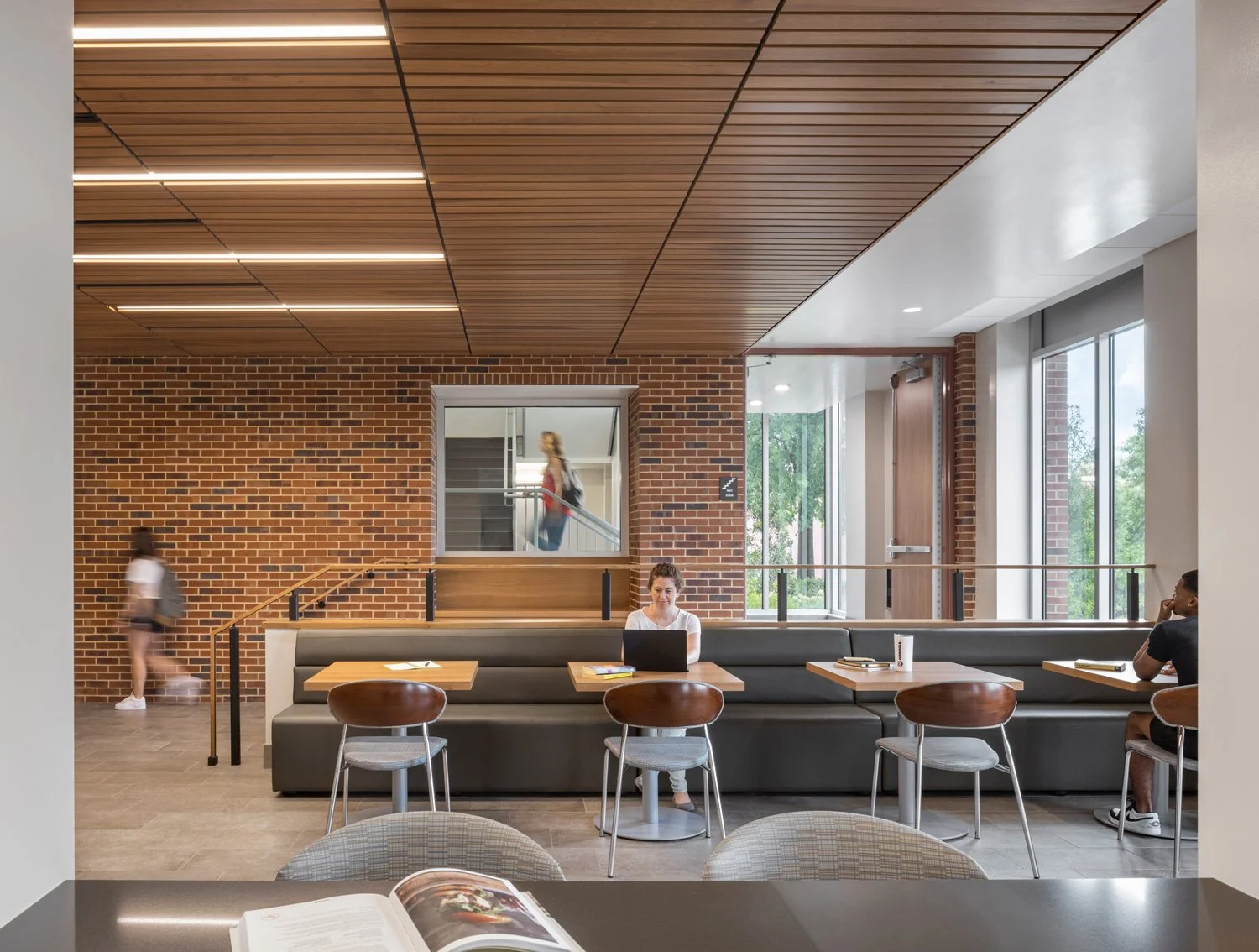
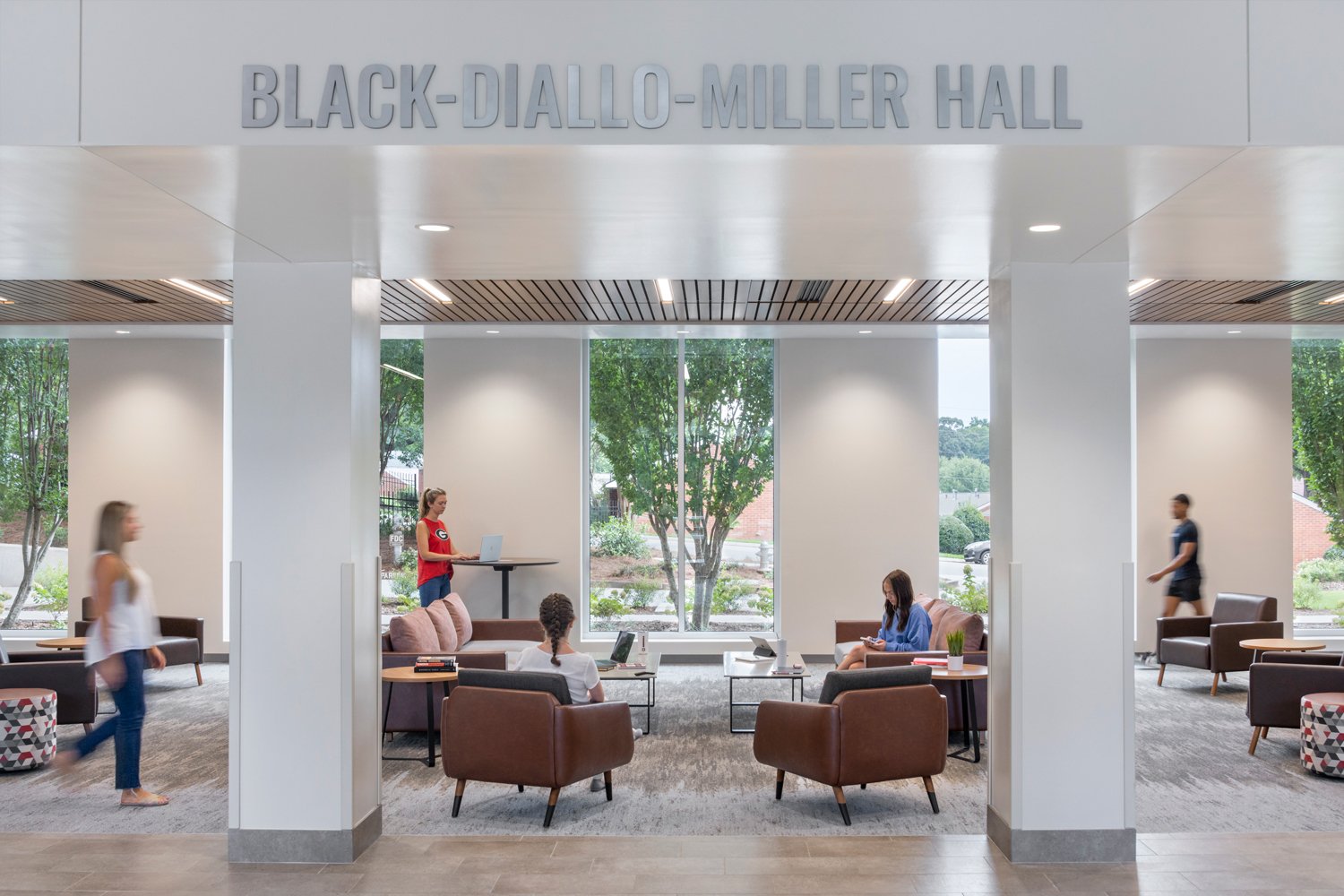
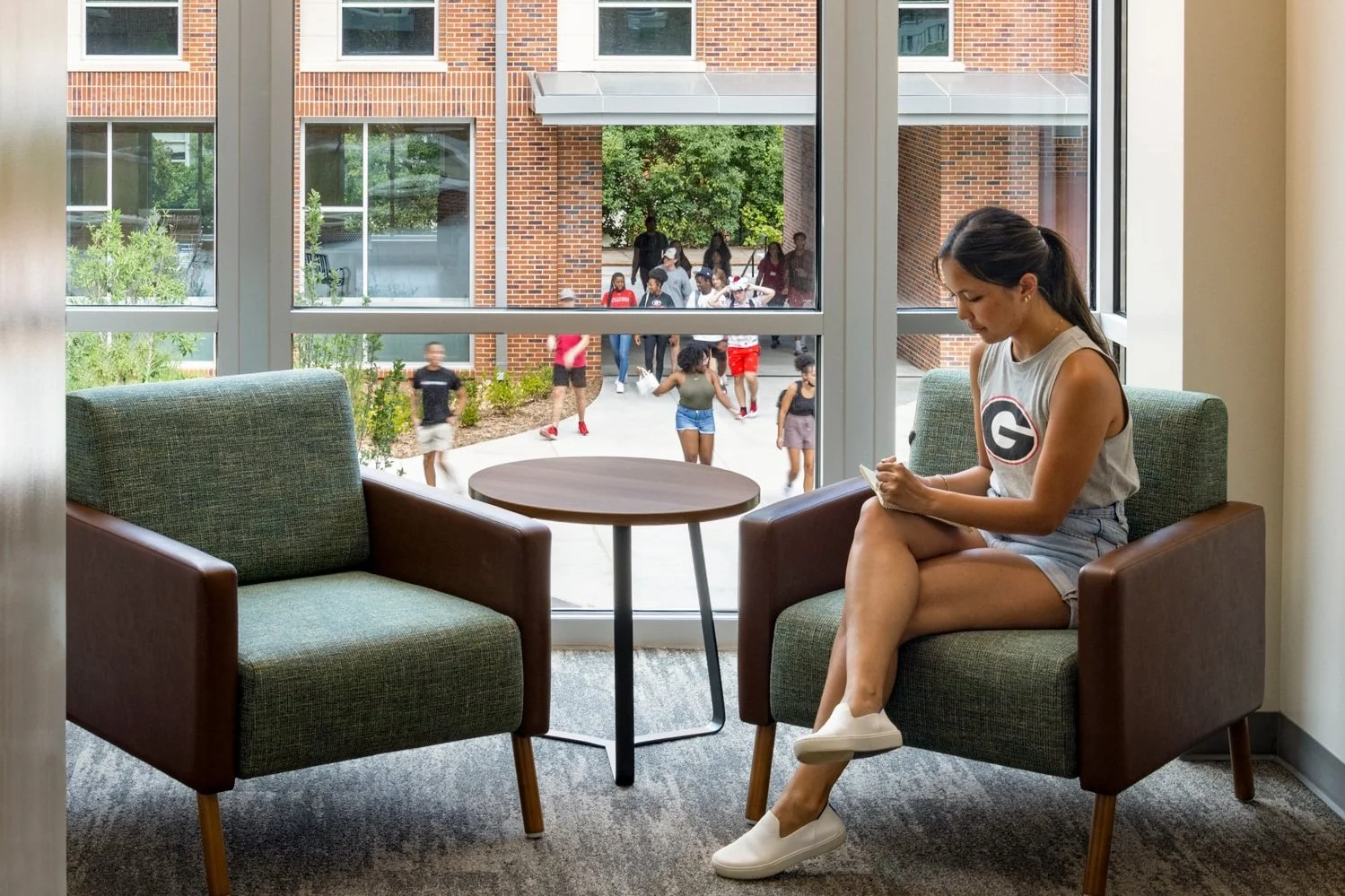
UGA's goal was clear: create a modern, welcoming, and highly functional residence hall that would support student engagement, foster community, and enhance the first-year experience. Achieving that vision required balancing multiple priorities. The six-level residence hall needed to accommodate the needs and preferences of incoming students while coordinating design standards across the faculty. At the same time, the project team faced the complexities of managing specifications and delivery schedules across twelve different manufacturers, creating potential risks to project timelines and installation sequencing.
The challenge was not simply furnishing a building, it was creating an environment that students would genuinely embrace while keeping a large-scale construction project moving forward. Corporate Environments partnered with UGA to help transform its vision into reality. Working alongside university leadership, students, architects, and construction partners, the team provided guidance throughout the specification and selection process, ensuring every decision aligned with the university's goals for student experience, functionality, and long-term performance.
Rather than making assumptions about what students wanted, Corporate Environments helped facilitate a student-centered approach. The team organized a full-day evaluation session where students could interact with test, and provide feedback on various solutions through hands-on sit tests and product demonstrations. This collaborative process gave students a meaningful voice in the design of their future home and provided UGA with valuable insight to make informed decisions that would positively impact resident satisfaction.
Success on a project of this scale required strong collaboration among an exceptional group of partners. Together with Beck Group, RAMSA, and the UGA Office of University Architects, Corporate Environments helped coordinate a unified strategy that balanced design intent, operational requirements, student feedback, and project timelines.
When manufacturer lead times and supply chain challenges threatened scheduling milestones, the project team worked proactively to identify solutions, maintain momentum, and minimize disruptions. This collaborative approach ensured that project goals remained the priority while preserving the integrity of the overall vision.
Black-Diallo Miller Hall now stands as more than a residence hall, it serves as a destination where first-year students can build relationships, collaborate with peers, and establish a sense of belonging from the start of their college journey. The project successfully delivered a student-focused living environment designed around engagement, comfort, and community. By incorporating direct student feedback into the decision-making process, UGA created a space that reflects the needs and expectations of its residents while supporting the university's broader goals for student success and retention.
As UGA's first new residence hall in more than a decade, Black-Diallo Miller Hall represents a significant investment in the student experience and demonstrates how thoughtful collaboration, stakeholder engagement, and strategic planning can transform a building into a meaningful campus community.